Best Pet Reptiles for Handling

What are the best pet reptiles for handling?

Because reptiles aren’t technically domesticated animals, not all of them enjoy interacting with people. In fact, some are quite skittish. But in our experience, the reptiles that enjoy being held, petted and generally removed from their enclosures are bearded dragons, leopard geckos, corn snakes and ball pythons.

Bearded Dragons as Pets

Bearded Dragons are one of the most popular pet lizards. Period. It’s not hard to see why. Not only are they available in a multitude of different morphs and colorations, they are relatively easy to care for and super fun to play with!

Bearded dragons are known for their quirky and humorous personalities. Many get to know their owners and will get excited to be petted and taken out of their enclosure.
best pet reptiles for handling
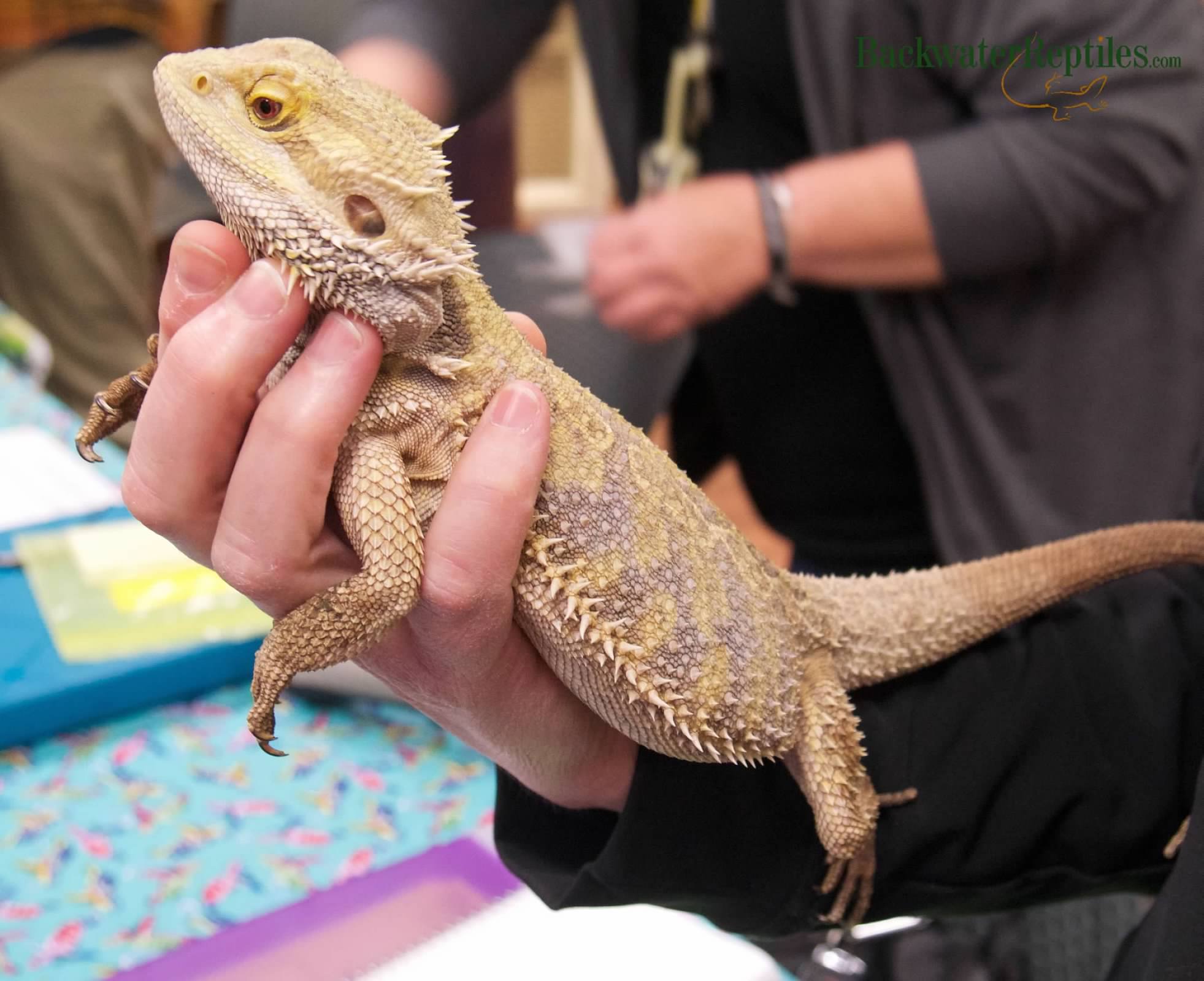
Bearded dragons enjoy being held and have quite entertaining personalities.

They are extremely docile lizards that rarely get upset at humans, unless they are directly threatened or harmed. They are extremely laid back and enjoy spending quality time with their owners. We’ve seen beardies who will watch TV with their owners, go for walks, hang out near their owner’s laptop and even chill on their owner’s shoulder as they walk around the house.

The bottom line is that bearded dragons are very friendly and we highly recommend them for first time reptile owners and experienced herp enthusiasts alike.

There are many fantastic care sheets online for bearded dragons, but if you need more information about them prior to purchasing, we’ve got you covered. Check out our articles on what to feed your bearded dragon and most popular bearded dragon morphs.

Ready to buy your own bearded dragon? We’ve got a great selection available!

Leopard Geckos as Pets

A very common lizard found at pet stores and reptile expos alike is the leopard gecko. These lizards are smaller than their bearded dragon cousins, but equally as fun to handle.

Just like bearded dragons, leopard geckos can be purchased in an endless array of morphs, colors, and patterns. It can be confusing because there are simply so many to choose from. Check out our article on different leopard gecko morphs if you want to learn more.

leopard gecko being held
Leopard geckos come in an endless variety of patterns and colorations.

Leopard geckos are quieter than bearded dragons. They are slower and might seem “sleepier” if you are making a comparison between the two species. They are extremely relaxed lizards and definitely don’t mind human handling or interaction.

The great thing about leopard geckos is that because they are so calm, they won’t attempt to jump out of your hand when you hold them. They might get a tad squirmy, but usually they are quite content to hang out, pose for photos for their adoring owners and munch some insects.

If you are looking for a small, docile and interactive pet lizard for your first reptile, we highly recommend a leopard gecko. They are especially good for children who want a pet reptile.

Ready to buy your very own leopard gecko? Check out the selection we offer on our website.

Corn Snakes as Pets

If you’re in the market for a reptilian pal with no legs, corn snakes are an excellent option.

Corn snakes are also available in an array of morphs and colors. Some are rather unique-looking. And because they have been bred in captivity for so many generations, they are not only beautiful snakes, they are healthy and free of ailments that wild caught reptiles can encounter. Learn more about the most popular corn snake morphs by reading our article.

Caring for a corn snake is straight forward and they don’t even need UV lighting to thrive, although some owners do still prefer to provide it. And unlike bearded dragons and leopard geckos, corn snakes don’t need to eat daily. In fact, depending on the age of the snake, you will only need to feed it weekly or every other week.
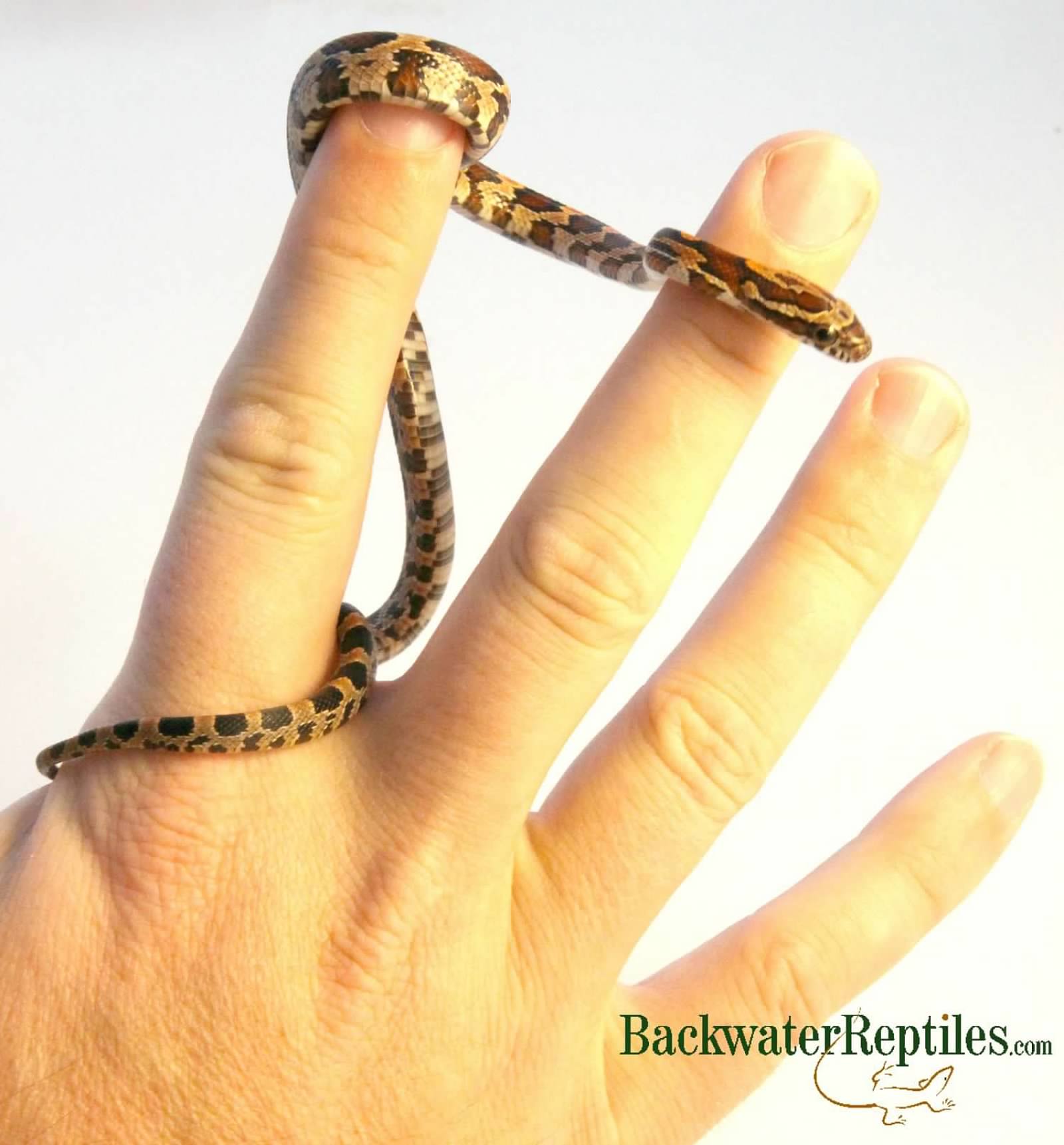
corn snake being held
Baby corn snakes can be a tiny bit skittish, but they calm down with age and habitual handling.

As far as temperament is concerned, corn snakes are known for being fairly docile. They can be a tiny bit nippy as babies, but as they mature and grow, they usually lose this habit. Corn snakes are fun to handle and are not considered skittish snakes.

If you’re ready to commit to your own pet corn snake, check out Backwater Reptiles selection of colorful and lively corn snakes for sale.

Ball Pythons as Pets

Another option if you want a snake that you can easily handle is to get a ball python. Although they are “chunky,” these snakes stay relatively small and tend to have shy personalities.

Ball pythons actually spend a lot of time hiding, but that doesn’t make them antisocial. In fact, most ball pythons thoroughly enjoy being handled and even love being taken outside to get some supervised sunshine.

Like all of the pet reptiles listed in this article, ball pythons have been bred in captivity for generations now. This means that they are healthy and their genes are strong. And as an added bonus, they come in an endless variety of special colors and patterns. Just visit a reptile expo to see what we mean!

Many people are fond of ball pythons because they are easy to care for and also very cute. They have short thick bodies and bulbous heads. They are lovely snakes to show off. And they also have a very delightful habit of curling into a ball when you hold them as babies.
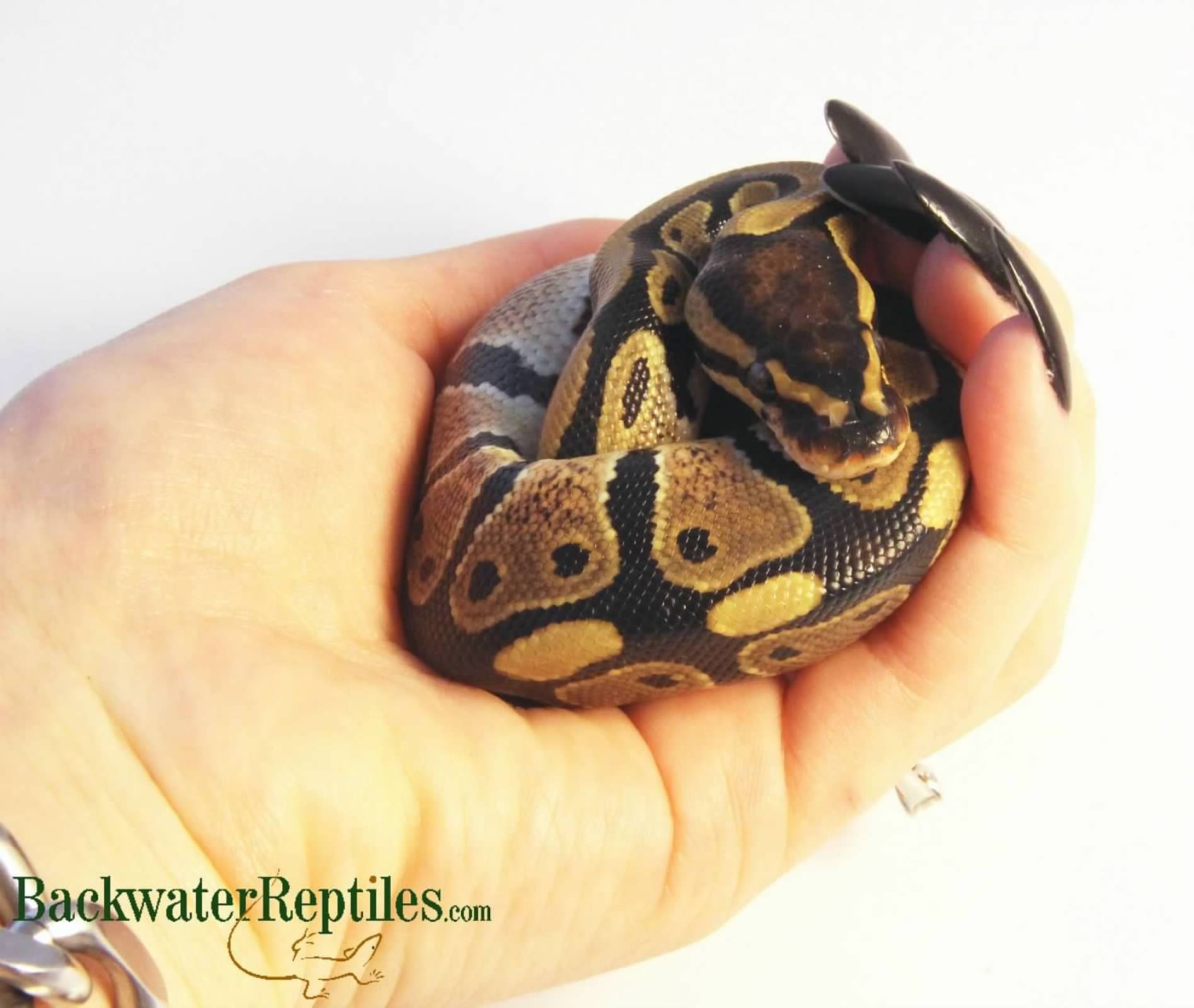
ball python being held
Baby ball pythons will often curl into a ball in your hand when you hold them.

Because ball pythons are stockier than corn snakes, they tend to move less quickly. Don’t get us wrong – they can still strike and slither very fast when they feel threatened. However, for the most part, ball pythons are cool, calm and collected when being held by their owners. They very much enjoy the warmth generated by human beings and they are known for their easy-going temperaments.

If you’re interested in learning more about these gentle snakes, read our article that discusses the most frequently asked questions regarding ball pythons.

Purchase your very own pet ball python here.

Conclusion

While there are many reptile species that you can hold and play with, in general, bearded dragons, leopard geckos, corn snakes and ball pythons are the most interactive. Each of these species are mild-mannered, typically captive bred and used to human handling and will enjoy being social with their owners.

Is there a reptile species that we didn’t list that you have found to be particularly friendly towards people? Let us know in the comments.
 

How Long Can a Ball Python Go Without Eating and Other FAQs

What are the most common questions regarding care and husbandry of ball pythons?
Ball Pythons are one of the most popular pet snakes, but they can be shy and mysterious. Because we have a lot of experience caring for these docile snakes at Backwater Reptiles, we will compile the most commonly asked questions into this article and answer them for you. Got a pet ball python or are you considering getting one? We recommend reading this article before you commit.
In our experience, the most commonly asked questions about pet ball pythons are:
How long can a ball python go without eating?
How often should I feed my ball python?
How big does a ball python get?
How long does a ball python live?
Keep reading to find out our answers!
ball python faq
Ball Pythons are one of the most popular pet snakes, which means they inspire many questions. Read our entire article to see our responses to the most commonly asked questions about pet ball pythons.

How long can a ball python go without eating?

Unfortunately, ball pythons can be picky eaters at times. For instance, it’s not uncommon for them to become lethargic, dull-colored and refuse to eat several days before they shed. Other times, you might encounter a ball python who refuses to eat frozen/thawed rodents and will only eat live mice. However, the bottom line is that sometimes ball pythons don’t want to eat and we as their adoring owners become increasingly worried with each day that passes without an appetite.

The good news is ball pythons typically resume feeding with a little coaxing. Maybe your snake needs time to complete its shed cycle or perhaps you might have to soak your thawed mice in hot chicken broth. But the truth is you really don’t need to be too concerned about your ball python skipping a meal or even two.

Snakes have interesting digestive systems and their metabolism is very different from that of a mammal or even other reptiles. They don’t need to eat as frequently as other animals.

Baby ball pythons should accept food weekly. They are growing snakes after all and will usually be pretty voracious eaters. But it’s OK if you try to get your baby ball python to eat and it refuses food for a few weeks. Anything beyond a month is when you should begin to be concerned for your baby ball python.

Older ball pythons have more established metabolisms and reserves and can go quite a long time without eating. There is no definitive time frame that you can deem as safe for a snake to deny food, however adult ball pythons in particular can go months without eating and still be fine.

Truthfully it will take a very long extended period of time without eating in combination with other factors for any ball python to starve to death. There have been reports of older ball pythons going on hunger strikes for six months! These snakes have the ability to slow down their metabolism if they deem it necessary. But, if your ball python is not eating, you might want to do some further investigation as there could be other factors contributing to your snake’s lack of appetite.

If you need help with getting your snake to eat, we recommend reading our article on working with snakes that are picky eaters.

How often should I feed my pet ball python?

This question is a very common one for new snake owners. The answer will vary based upon how old your snake is.

Baby ball pythons are growing and need more protein, vitamins and meals than their older counterparts. At Backwater Reptiles, we feed our baby ball pythons once weekly. They usually eat a pinkie, although you can also give them mice that are a bit larger as your snake grows a bit.

We’ve found that our older ball pythons do well on a schedule of being fed an appropriately sized rodent every other week. Remember, snakes have unique metabolisms and don’t need to eat every day like mammals.

how big do ball pythons get
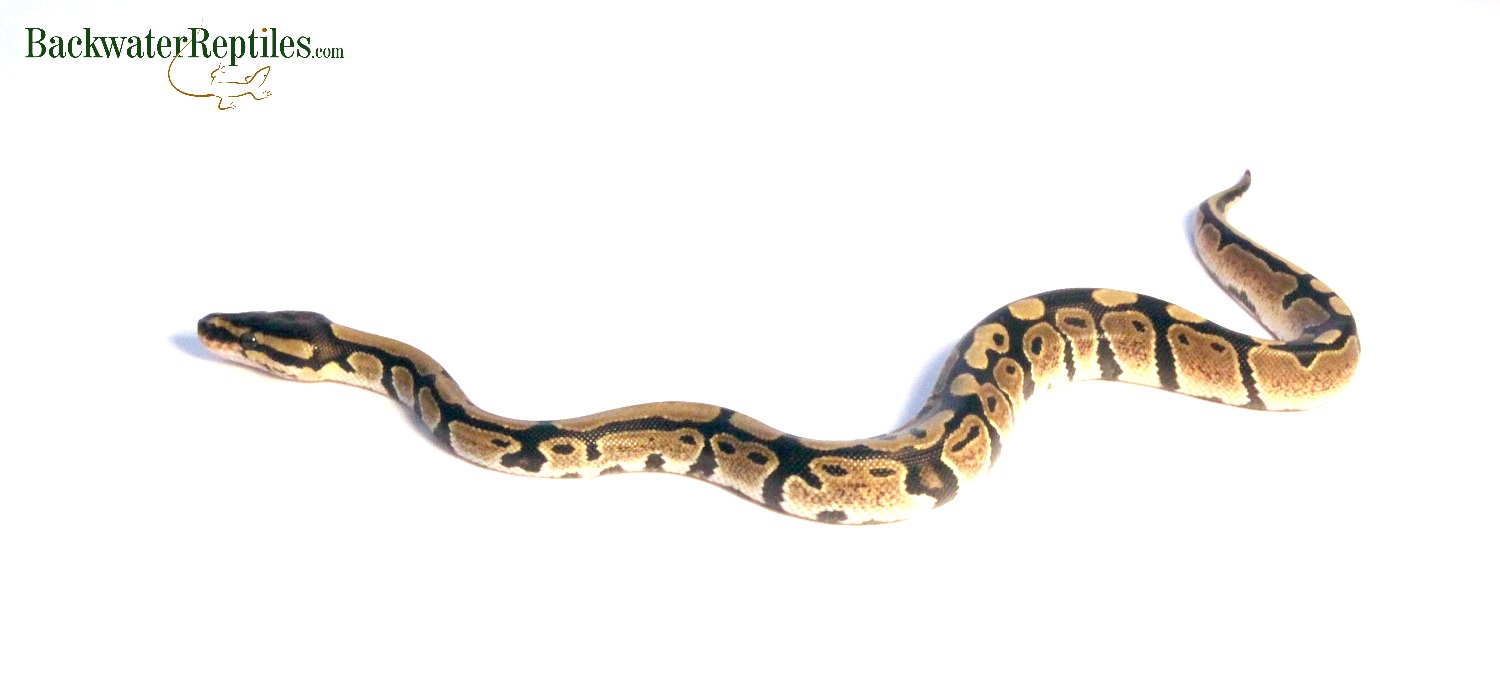
Ball pythons will average between three to five feet in length when fully grown.

How big does a ball python get?

Ball Pythons are considered one of the smaller species of python, although that’s just accounting for their length. Ball pythons can be quite hefty and girthy while still being relatively short in length.

On average, ball pythons will grow to be between three to four feet long. However, there are reports of them reaching lengths up to six feet in length.

Adult female ball pythons will average between three to five feet long, whereas males are a bit smaller. Male ball pythons will average around three feet in size.

How long does a ball python live?

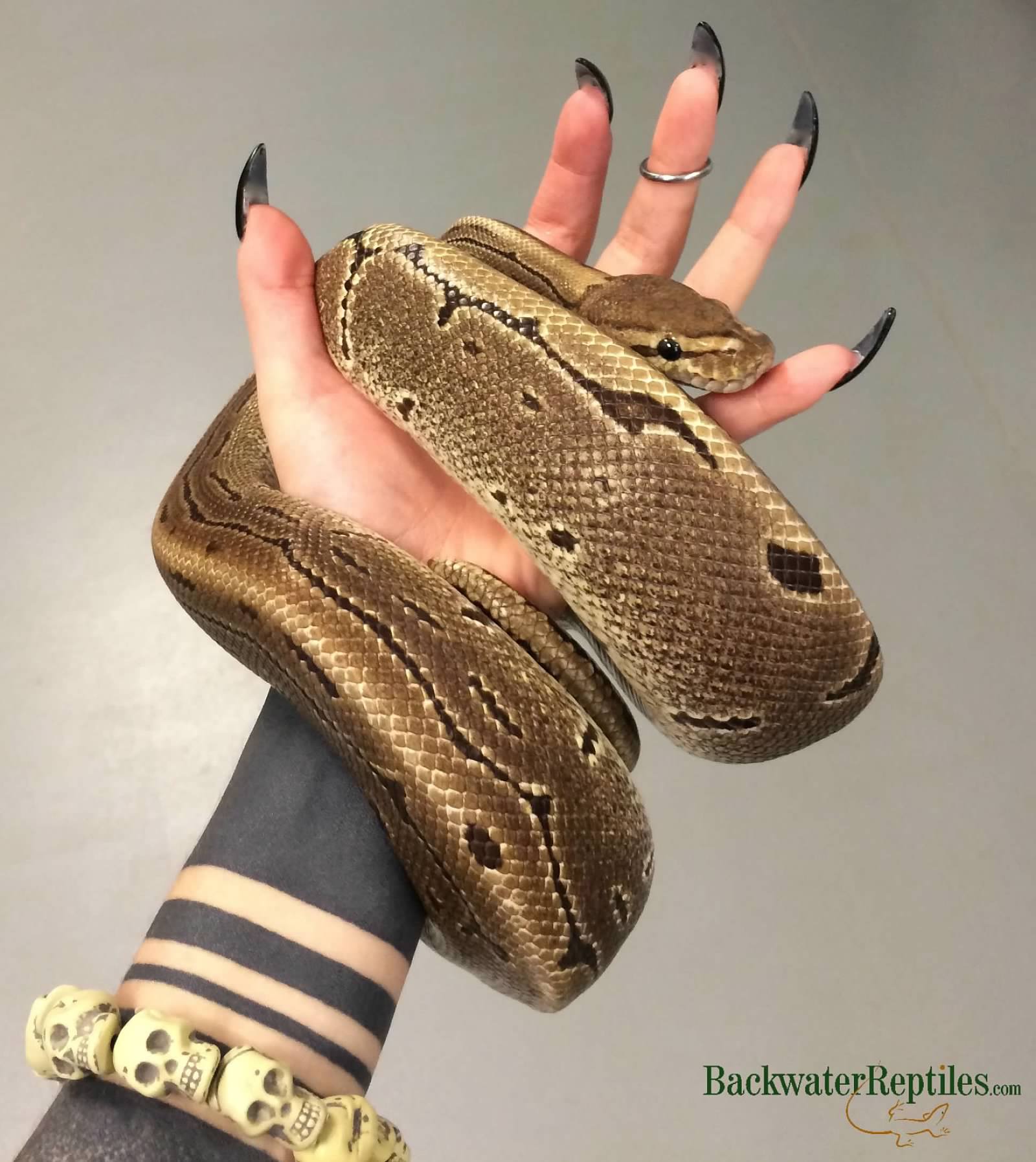
Lucky for their owners, ball pythons live very long.

With proper husbandry, care and housing, it’s not uncommon for them to live 30 years.

The record life span for a ball python comes in at over 40 years old!

Bottom line: prepare for a long life with your pet ball python. In fact, if you acquire a baby when you 50 or older, your snake might outlive you!

ball python life span
Ball pythons can live for thirty years or more with proper care.

Conclusion

Ball Pythons make amazing pets. In fact, we often recommend them to first time snake owners because they are such hardy, docile and interactive snakes.

We want all ball python owners to be as educated on their care and husbandry as possible, which is why we wrote this article discussing the most commonly asked questions about keeping them as pets.

Didn’t see your question addressed in this article? Let us know in the comments!

What Is the Best Terrestrial Pet Frog?

If you’re wondering what species make the best terrestrial pet frogs, you’ve come to the right place.

Frogs can live primarily in trees, in the water or on land. Because each variety has different care requirements, we’ll focus specifically on what we think is the best pet frog that lives on land. In our opinion, that species is the Pacman Frog (Ceratophrys cranwelli).

the best pet terrestrial frog
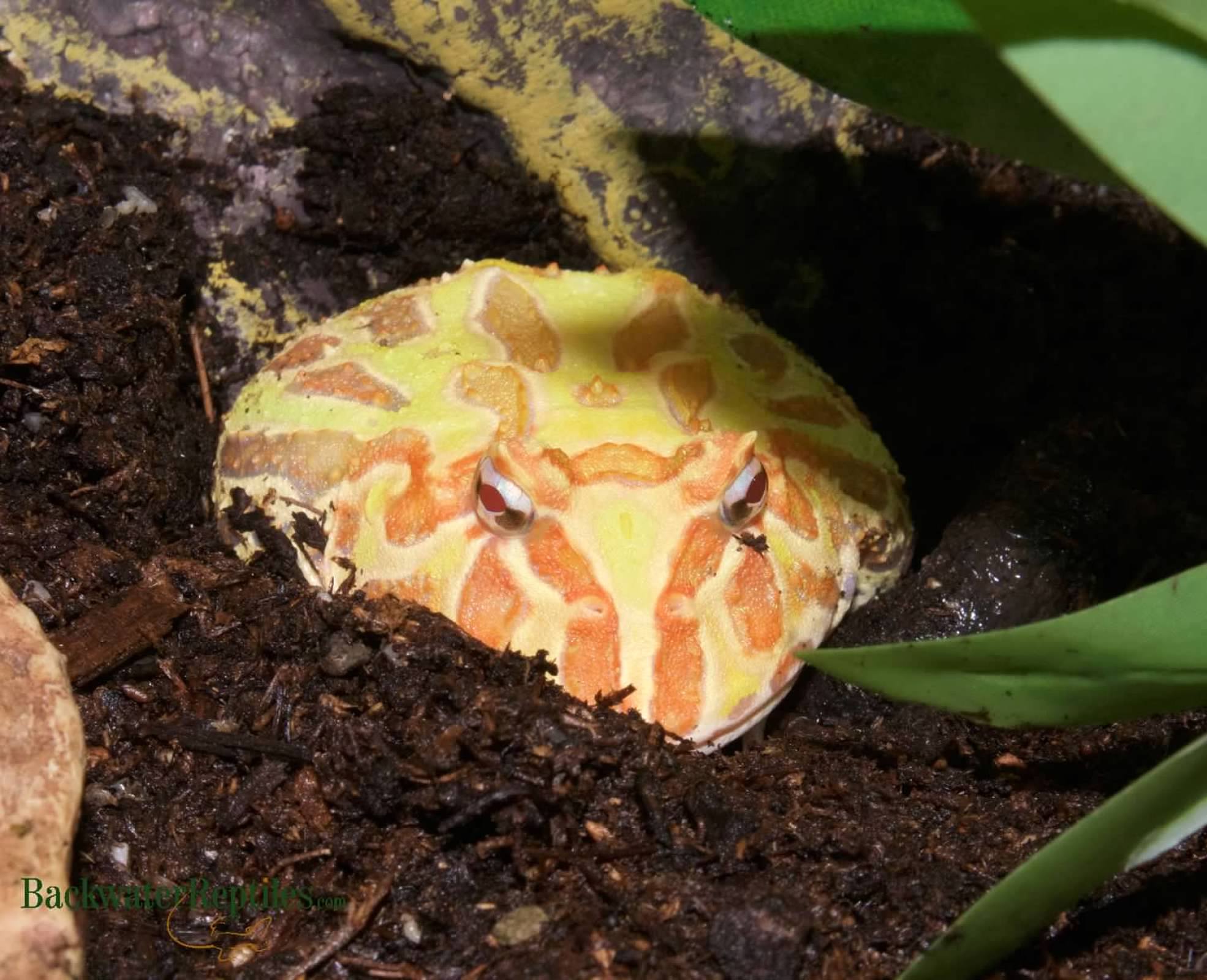
Pacman Frogs are burrowers.

Why are Pacman Frogs the best terrestrial pet frog?

One of the primary things many people look for in a pet is cuteness. Often times, we don’t realize it, but we select our pets as a reflection of ourself. There is so much variety when it comes to Pacman Frogs, there’s bound to be a color, pattern, morph or shape for everyone. Pacmans can be labeled and described as everything from classic albino to strawberry or green apple. There’s an endless selection!

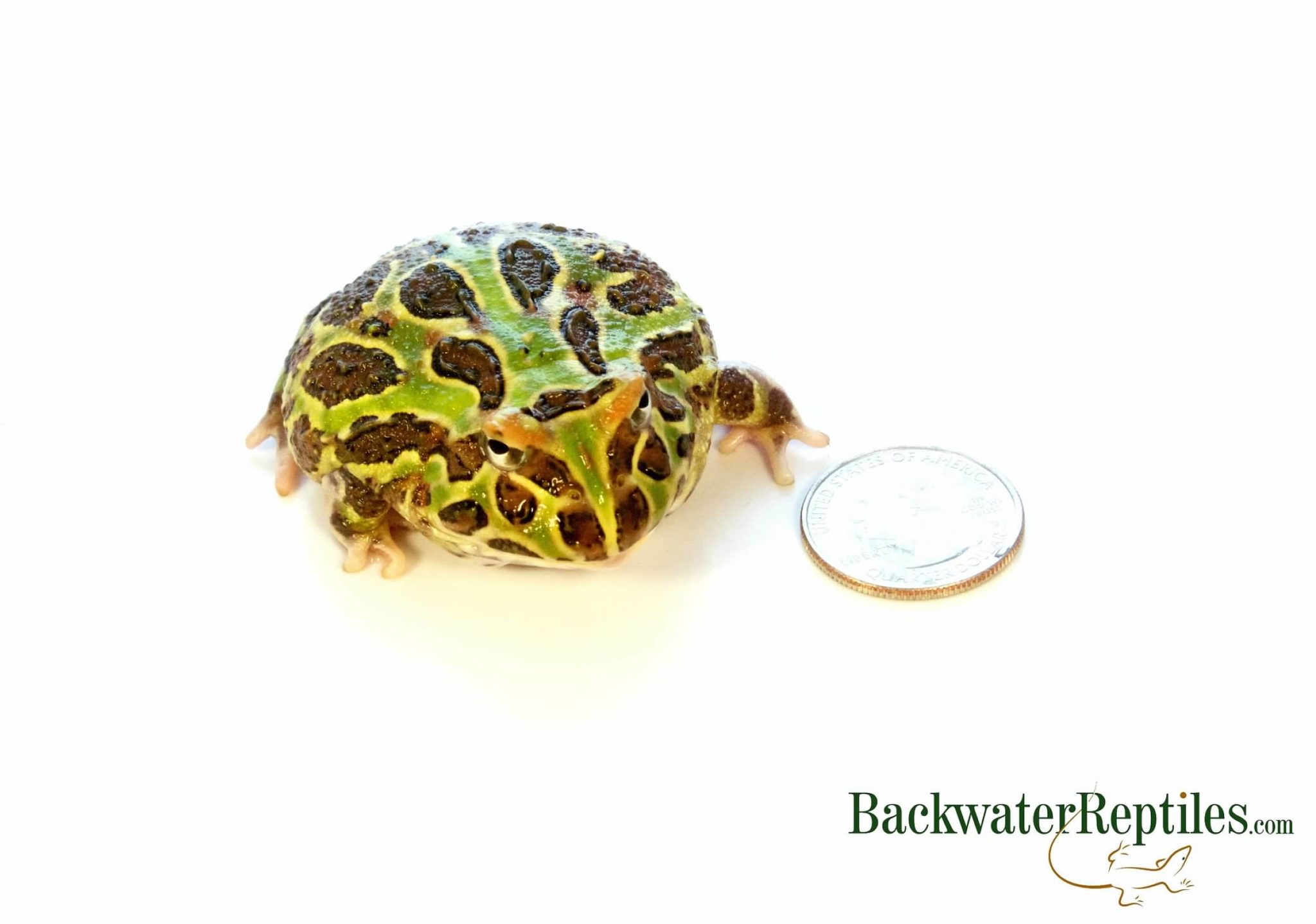
Another trait that we think makes Pacmans the best pet terrestrial frog is their size and propensity to grow. While it’s likely that you’ll purchase your Pacman as a baby, it won’t stay a baby for long. Because they have such tremendous appetites, these frogs grow fast. It’s such a fun experience for owners to watch their frog thrive and grow into a beast.

Because Pacman Frogs grow so fast and get so large, they tend to be very sturdy and hardy frogs. They aren’t as sensitive to changes in their environment or being handled and therefore they possess the ability to be a bit more interactive than their jumpy sensitive tree frog brethren.

Although we’ve already established that they love to eat, it truly is quite entertaining for owners to watch their Pacman Frog at mealtime. These frogs are known for being ambush predators and they’re not always the most graceful animals. This means that mealtime can be exciting, but it can be comical as well.

adult albino pacman frog
Pacman Frogs can grow quite large and they have appetites to prove it!

How do I care for a Pacman Frog?

As we’ve already established, Pacman Frogs are terrestrial, or land-based. This means that they won’t need an aquatic set up, which we think makes them much easier to care for. Aquatic tanks and animals are very rewarding to have, but they are a much bigger commitment.

You can keep a Pacman Frog happy for the duration of its life in a simple ten gallon tank, although if you want a larger enclosure, there’s nothing wrong with that. Line your terrarium with four to five inches of moist peat moss for substrate.

Make sure to provide a water dish that is sunk down into the moss. The frogs sometimes enjoy soaking in it, so make sure it’s accessible and easy to climb out of.

Feeding time is fun time! Baby and juvenile frogs will need to eat more frequently than adults. We recommend feeding them gut loaded insects every other day and a pinkie once per week. As they grow larger, they can eat larger insects such as roaches and larger frozen mice. Tongs are recommended when they are  bigger because their teeth can hurt! Keep in mind that Pacman Frogs will pretty much eat anything that moves, so variety is important when planning a Pacman Frog diet. We also advise keeping an eye on your frog’s weight as they are not super active animals and can grow obese easily in captivity from over feeding.

What we’ve detailed so far regarding Pacman Frog care is just the basics. We think we’ve written up the ultimate care sheet on Pacman Frogs. We’ve got lots of experience with these amphibians and we took a lot of time compiling what we’ve learned into a comprehensive guide. Check it out here.

Where can I get a Pacman Frog?

If you want your frog delivered overnight to your doorstep, then we highly recommend purchasing your baby Pacman Frog from us, Backwater Reptiles! Our Pacman Frogs have Frog Ranch genetics, making them the most sought after in the biz! Not only are they healthy, they are bold, bright and colorful as well and we have many morphs to choose from.

Another option if you are in the market for a pet Pacman Frog is to head to your local reptile expo. The benefit of purchasing at an expo is that you can hand select the frog of your choice, but because expos tend to only happen once per year, the downside is you might have to wait a bit to get your frog.

Because Pacman Frogs have  become one of the most popular pet frogs in the herpetology world, you can likely find yourself a Pacman Frog at your nearest pet store. However, we do advise purchasing with caution as we can’t speak to the quality of care the frog would be receiving inside a pet store.

Baby Pacman Frogs should be fed a varied diet of insects.

Conclusion

There are many species of frogs that make excellent pets. But for now, we’re sticking strictly to the terrestrial type. And we feel that Pacman Frogs have earned their way to the top.

Pacman Frogs are not only adorable, they are fairly easy to care for. They  are loads of fun at mealtime and they grow very fast. Although frogs aren’t the most interactive pet, Pacmans can grow accustomed to being handled. They also come in a huge variety of colors, morphs and patterns that make them sought after in the reptile hobbyist world.

So, the bottom line is if you’re in the market for a pet frog with a terrestrial enclosure set up, we’d highly recommend you get a Pacman Frog.