How To Clean A Reptile’s Cage

We all love our pets, but it’s true no matter if you own a puppy or a python that part of the responsibility of pet ownership is cleaning up after it, no matter how unglamorous it may be. The question of how to clean a reptile’s cage is common, and easily answered.

Because reptiles and amphibians live in cages unlike our other furry companions, cleaning up after them is a bit different than scooping the dog poop in the backyard or sifting through the litterbox. However, it’s not a hard task once you’ve done it once or twice.

Many people aren’t experienced with the proper and safe methods to cleaning a reptile or amphibian’s enclosure. That’s why we’ve written this blog article dedicated to explaining how we clean our animals’ cages and passing along this valuable information to you.

How to clean a reptile's cage
Keeping your pet reptile or amphibian’s cage clean is tantamount to keeping the animal healthy.

How To Clean A Reptile’s Cage

What Cleaning Solution Should I Use to Clean My Reptile’s Cage?

Aside from unscented antibacterial soap and water, we highly recommend using a veterinary disinfectant solution called Nolvasan for all your reptiles, amphibians, and exotics.

Nolvasan is a solution that is commonly used at veterinary facilities because it safely kills many types of viruses, bacteria, and species of fungus that commonly afflict animals and people. What’s more, it’s safe to use around animals, although we do always remove our animals from the tank when using Nolvasan.

You can purchase Nolvasan online through retailers such as Amazon in a variety of different sizes and concentrations. As long as the solution is blue and the active ingredient is chlorhexidine diacetate, you can buy whatever quantity works for your purposes.
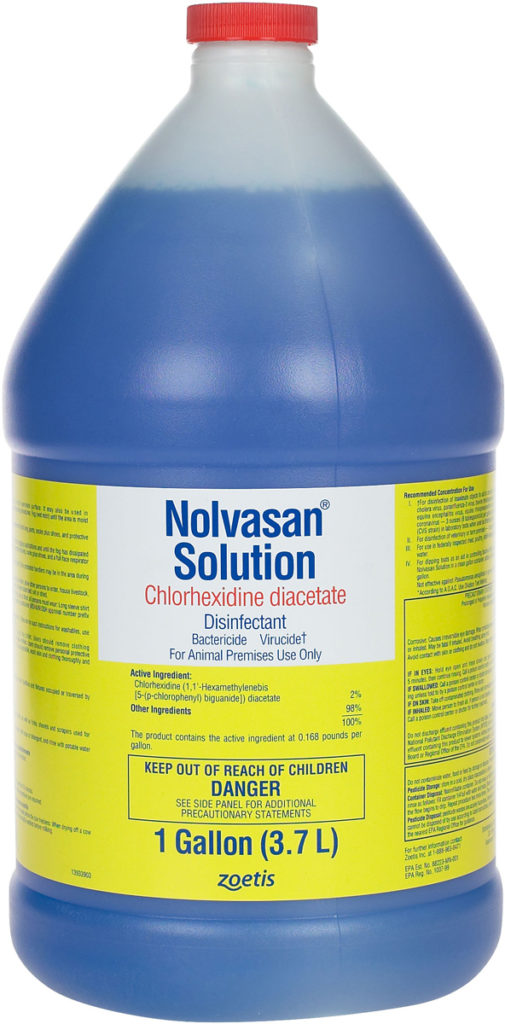
nolvasan solution
This is the gallon size Nolvasan solution used at Backwater Reptiles. We place approximately a capful of Nolvasan into a spray bottle and dilute with water. One of these gallon containers will last nearly an entire year!

Because we have such a large volume of cages to keep clean at Backwater Reptiles, we usually purchase a gallon at a time and dilute it with water according to the instructions on the bottle. Then we use the diluted solution in a spray bottle to wipe down cages and flat surfaces.

We’d like to say that although we’re not endorsing Nolvasan, it is the safest product we have found for both human beings and the animals. It leaves no strong ammonia after-smell and is a far safer alternative to water and bleach solutions, which we definitely don’t recommend using.

What Supplies Will I Need to Properly Clean My Reptile’s Cage?

Different supplies will be needed for different scenarios, but it’s always a good idea to have these items handy whether you’ll be spot-cleaning or wiping down the entire interior of your pet’s cage.

Nolvasan solution – As we’ve already discussed, Nolvasan is our go-to cleaning agent at Backwater Reptiles. It is non-toxic and safe for use around people and animals. It leaves no strong, lingering scent and most importantly of all, it kills bacteria, viruses, and fungi. We highly recommend keeping a spritzer bottle of Nolvasan on hand at all times.

Paper towels – It might seem self-explanatory, but paper towels are used during all types of cage cleaning. We use them when cleaning cage accessories, wiping down cage surfaces, and also to pick up fecal matter during spot cleaning. Paper towels are an absolute necessity, but the good news is that most people have them handy around the house anyways.

Rubber or latex gloves – Gloves aren’t an absolute necessity when it comes to cleaning cages, but we recommend using them, especially if touching dirty things isn’t your cup of tea. We buy the single use disposable latex kind so that the gloves themselves don’t become bacteria-ridden.

Back up cage – Unless you have a friend or family member who can hold your pet the entire time you are cleaning its cage, a back up cage is necessary. It doesn’t have to be anything elaborate or large – a holding area will do just fine, so long as you don’t take hours to clean your pet’s cage. The bottom line is that unless you are just spot cleaning and picking up substrate that has become dirty, you will need to remove your pet from its cage in order to wipe down surfaces and cage accessories.

Non-scented antibacterial soap – This kind of soap is best to use when you have cage accessories that have gotten dirty. We use it when rinsing washing water dishes as well as fake plants and hiding spaces. Nolvasan is also an acceptable way to clean these items, but we prefer soap and water in these particular instances.

How Do I Know When I Should Clean My Reptile’s Cage?

There isn’t a schedule you need to adhere to as far as cleaning goes, although you certainly can if that’s your preference. We clean cages as needed, which means if we can tell an animal has defecated, notice a water dish is getting dirty, or see anything amiss in the animal’s cage, we go ahead and tidy up as necessary.

It’s natural for a reptile or amphibian’s cage to have a semi-musky smell, particularly when the animal in question requires high humidity levels. However, if you ever notice too much moisture, fungus growing anywhere within the cage, or smell ammonia, the entire cage should be cleaned.
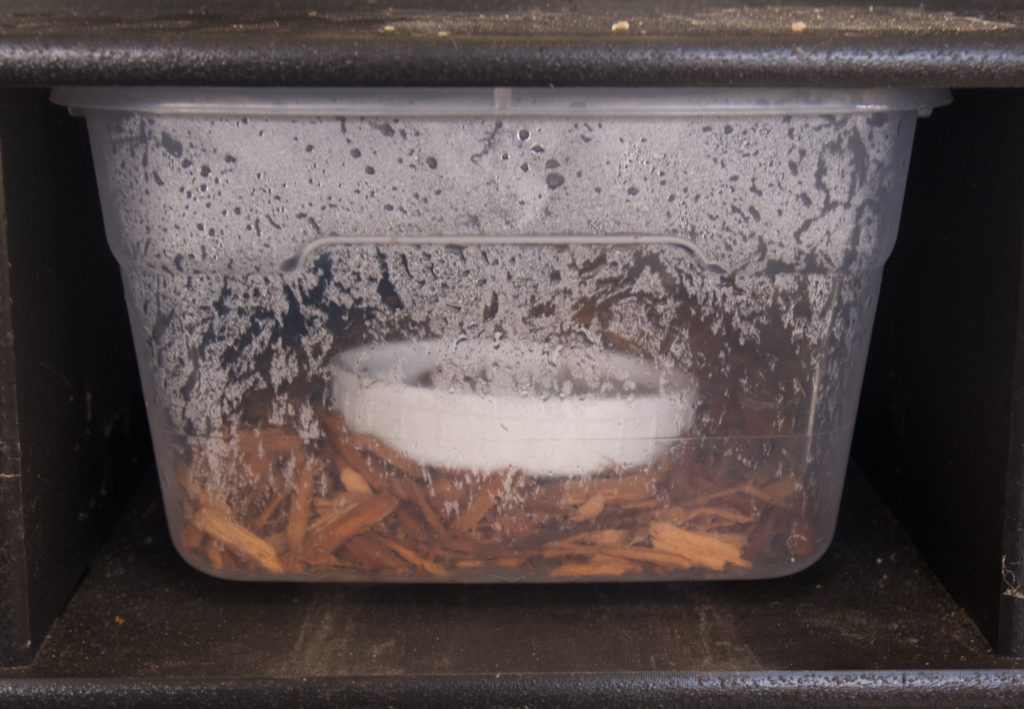
cage with too much moisture
Pictured is a reptile enclosure that is far too moist and requires cleaning. If you ever notice this much condensation on your animal’s cage walls, you should clean the entire cage to avoid bacteria, viruses, and fungi forming colonies.

How to Clean a Desert Reptile’s Cage

The most important thing you’ll need to keep clean inside your reptile’s cage is its substrate. The most popular substrate option when creating a desert-dwelling reptilian habitat is sand, although you can also use paper towels and reptile carpet.

Usually, if you check your pet’s cage daily, you can easily scoop up any sand clumps that contain feces, urine, and dead insects or plant matter. You can use gloved hands, paper towels, or a tool as specific as a sand sifter. Personally, we prefer the sifters just because it’s the simplest method and grabs all the waste in one easy scoop.

If you line your cage with paper towels or newspaper, odds are you’ll have to replace the lining more frequently. This is because it absorbs odors, bacteria, and fecal waste and can’t be spot-cleaned. The good news is that these substrates are both low maintenance and low cost, plus most people always have some lying around the house.

You can use your handy dandy Nolvasan solution  (or nonscented soap and water) to clean any cage accessories that get dirty including plastic leaves, water dishes, and even glass terrarium walls.

How to Clean a Tropical Reptile’s Cage

Tropical reptiles can live in either mesh screened cages (i.e. chameleons) or glass terrariums (i.e. certain gecko species and certain iguana species). Each type of cage will require slightly different cleaning methods.

The easiest way to clean a chameleon’s cage is to have a hard, flat, plastic liner of some sort on the bottom. Many chameleon cages will have a separate access point to insert and remove this liner. We highly recommend investing in one of these style cages if you don’t already own one as it makes spot cleaning a breeze. All you need to do is open the bottom hatch, slide out the liner, and wipe it using Nolvasan. You can also run it under water in the sink using your non-scented antibacterial soap.
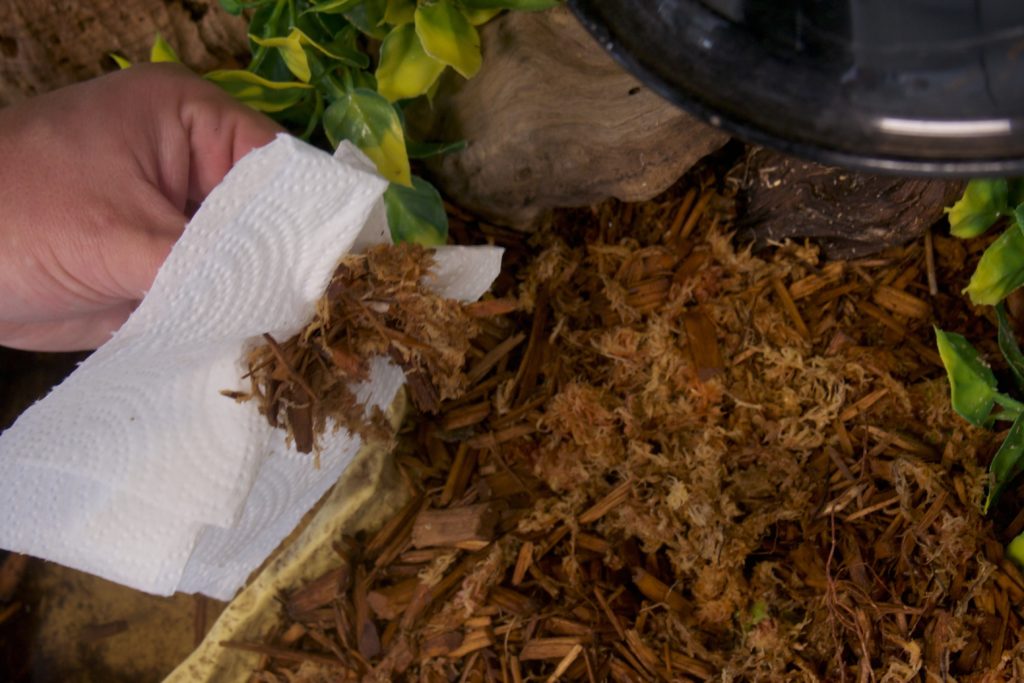
spot cleaning a reptile cage
Many enclosures, whether they house a tropical reptile or a terrestrial amphibian, can be spot cleaned very simply. Just scoop up the dirty substrate with a paper towel or a sifter scooper.

Most chameleon feces and dead insects will collect along the bottom of the cage, so this is the area that will get dirtiest and require the most cleaning. However, if you have plastic plants and vines within the cage, you will also need to clean these items from time to time. Again, we use Nolvasan solution or non-scented antibacterial soap depending on the degree of dirtiness.

Glass tropical enclosures can be cleaned much the same as a desert enclosure. Spot cleaning is perfectly acceptable, but every now and then the entire cage should be cleaned out. New substrate should be put inside the cage, accessories and cage “furniture” should be washed down, and your reptile will need to be transferred to a separate holding cage for this process.

How to Clean an Aquatic Reptile’s Tank

What do we mean by aquatic reptile? Well, turtles are the most common, although crocodilians are also aquatic by nature.

Keep in mind that aquatic reptiles eat, sleep, drink, and defecate in their water source, so keeping it clean means your pet will be much healthier.

You should remove any uneaten food from the tank on a daily basis. Whether you feed your pet pellets, worms, or fresh vegetation, be aware that leaving any of these food items in the tank can allow harmful bacteria to thrive.

We also highly recommend purchasing a quality tank filter as it will save you a lot of hassle. A good filter will allow you to clean the entire tank and cycle out the water far less frequently.

When it does come time to clean your aquatic reptile’s tank, we don’t recommend changing out all the water at once. While turtles are tougher than amphibians when it comes to sensitivity to ammonia, nitrates, and nitrites, you still don’t want to risk upsetting the tank’s natural balance unless you absolutely have to.

If your tank has a substrate such as rocks or gravel on the bottom, you can even buy a fancy vacuum that sucks up unwanted detritus that collects along the bottom.

How to Clean an Amphibian’s Enclosure

There are two types of amphibian enclosures you can potentially have to clean – aquatic and terrestrial. Aquatic amphibians include newts and certain species of frog, whereas terrestrial amphibians are tree frogs, toads, and salamanders.

You will need to be very careful when cleaning the water in an aquatic amphibian’s home. If you empty out all the water and start fresh, you could potentially kill your pet by unintentionally causing a spike in ammonia, nitrates, and/or nitrites. Aquatic amphibian tanks behave much the same way fish tanks do – you will need to cycle the water carefully to maintain the eco balance.

Just like when you own an aquatic reptile, we recommend investing in a good water filtration system for your aquatic amphibian. The filter will help maintain the tank’s  equilibrium on its own, at least for the most part. That isn’t to say that just because you have a filter, you won’t need to clean the cage. Rather, you can go longer between cycling the water out, which is better for the health of your pet and also means less labor on your part.

Cleaning a terrestrial amphibian’s cage is far less complicated. Generally, terrestrial amphibians will live in glass terrariums so you can clean them much the same way as any other reptile’s enclosure.
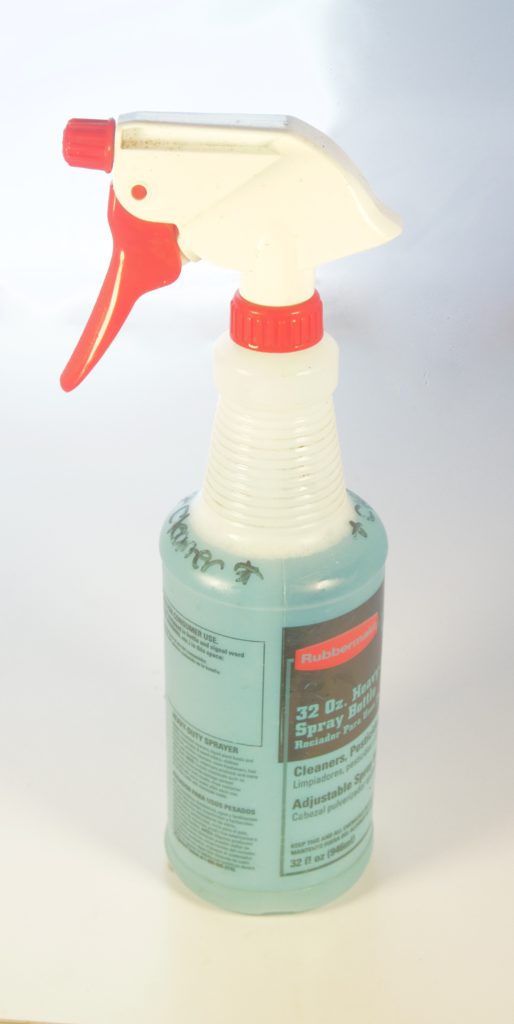
nolvosan solution spritzer
We dilute our Nolvasan solution and use it in a spritzer bottle.

The main difference between cleaning a desert-dwelling reptile’s tank and a terrestrial amphibian’s tank is the type of substrate you will be dealing with. Many amphibian tanks will be lined with sphagnum moss or eco-earth, both of which can be scooped up if needed. Keep in mind that both of these substrates are chosen for these types of habitats for their ability to hold moisture, so they will be wetter than sand, paper towels, or other desert substrates.

One thing you will probably notice more with terrestrial amphibian cages is water spots. These can develop from misting or, in the case of many “sticky” species of frog, from the animal itself adhering to the walls of the cage. While water spots can be unsightly, they won’t harm the animal and aren’t necessarily an indicator of cage cleanliness.

BONUS: How to Keep Your Feeder Insect Container Clean

Did you know that you can also use Nolvasan solution to clean out feeder insect containers? It really is a wonderful cleaning agent to have on hand when you own reptiles.

We wipe down our cricket tubs with Nolvasan when we clean them out. We usually do this when we notice the tubs starts to smell or when we see a lot of insect feces collecting in the egg crates and other surfaces within the tub. This tends to happen approximately once per week.
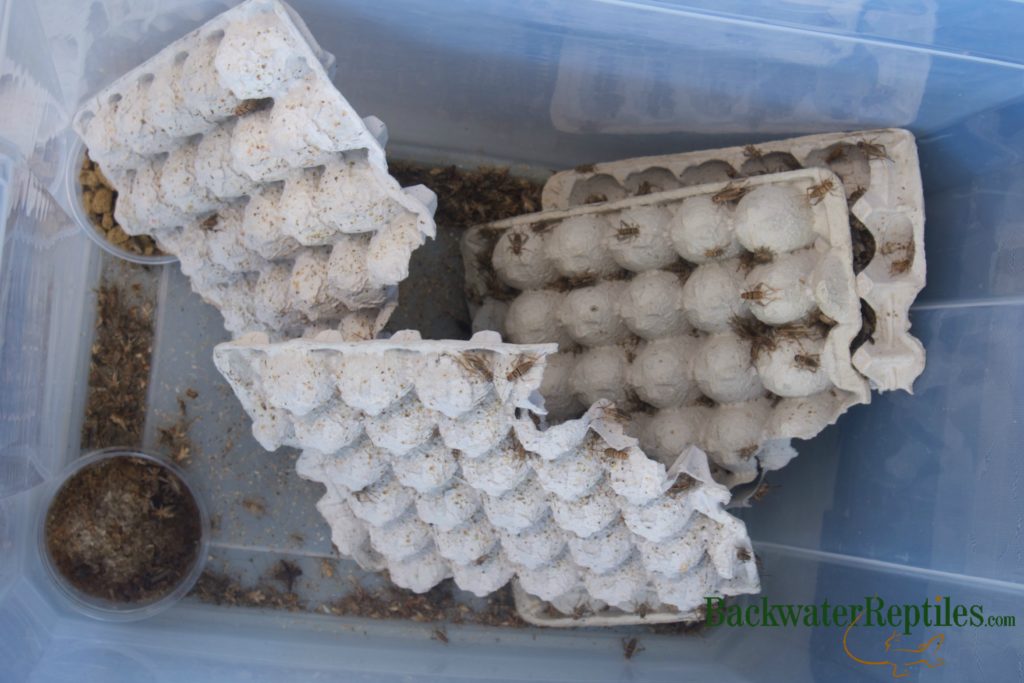
feeder crickets
Nolvasan solution can be used to clean out feeder insect cages too!

Another thing to watch out for when keeping crickets as feeder insects is moisture. Crickets won’t last very long if your tub and accessories are too wet.

Conclusion

No  matter whether you own a desert-dwelling reptile, tropical reptile, aquatic reptile, or pet amphibian, it goes without saying that you will be required to clean the enclosure at some point. Sometimes only spot cleaning is necessary, but at other times, you’ll definitely need to do a deep clean.

We hope that this article has given you some helpful tips and tricks on how to clean all sorts of herp enclosures, but feel free to ask any questions in the comments!
 

Reptiles Endemic to Madagascar

It’s safe to say that any one of the Backwater Reptiles employees would love to take a trip to the island of Madagascar. So many unique animals call the island home, including an abundance of rare and beautiful reptiles. It’s an understatement to say that we would be in heaven trekking through the jungle in search of them.

Many of the reptiles endemic to Madagascar are in fact so rare and treasured that it is illegal to import them, let alone keep them as pets. So, until we can book ourselves passage to the island, the closest thing we’ve got to seeing these cool critters in person is this blog article!

Read on if you want to learn more about our favorite species that are endemic to Madagascar. Some of them are actually available for sale on our website, although we do only recommend these species for experienced reptile hobbyists since they are mostly rarer species.

Reptiles Endemic to Madagascar

What does it mean if an animal is endemic to a specific place?

First of all, we should probably explain what it means if an animal is endemic to an area since that is the concept this blog centers around.

In simple terms, it means that any particular animal is only found in a specific region of the world. An animal can be endemic to a continent, a country, a state, or even a city.

However, it can also mean that a particular species is native to a specific area of the world, even if it has spread to other regions accidentally or intentionally.

So, for this particular blog article, we are discussing reptiles that are either only found on the island of Madagascar or that are native to the island of Madagascar.

Reptile Species Endemic to the Island of Madagascar

Parson’s Chameleon (Calumma parsonii)

Parson’s chameleons are probably best known for their massive size. These chameleons are the heftiest of body and one of the largest species of chameleon on the planet. It’s been claimed they grow as large as a small house cat!

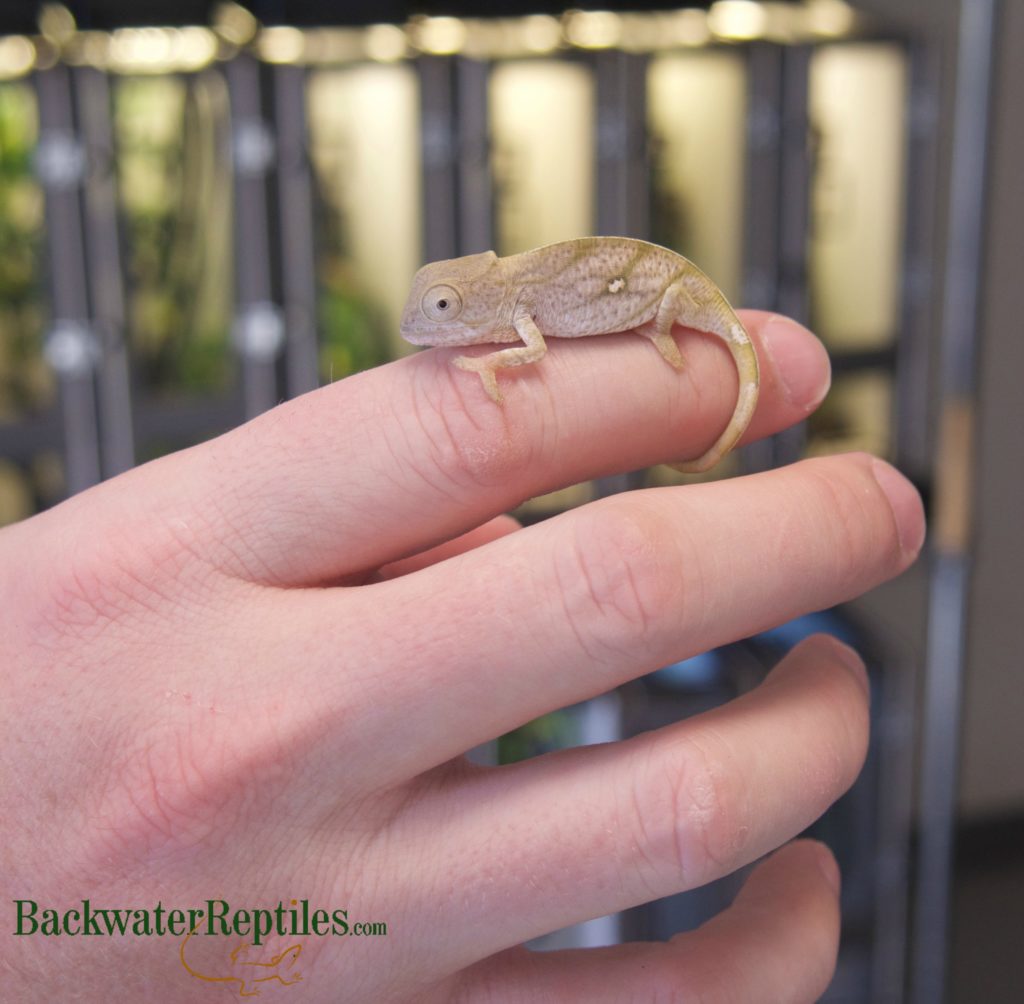
Although it is not currently legal to import this giant of a chameleon, Backwater Reptiles is lucky enough to have had a captive bred clutch of babies born in our facility! After a very long incubation period of 582 days, we had thirty-nine healthy babies hatch and have been patiently and carefully working to fulfill these delicate babies’ needs.

Reptiles Endemic to Madagascar
Pictured is one of our captive bred baby Yellow-lipped Parsons chameleons. This baby is roughly five weeks old, and a species that’s endemic only to Madagascar.

Did you know the Parson’s chameleon has a life span of about twenty years? This means that they are quite the commitment and should not be kept as pets by anyone but the most experienced herpers.

We’d also like to make it clear that due to the rarity and degree of specialized care required to keep a Parson’s chameleon healthy, these are not budget animals. They are pricey and for good reason. Odds are that if you are willing to pay the price for one of these beautiful animals, you have done your research and are prepared to accommodate and work with such a tricky species.

Malagasy Ground Boa (Acrantophis madagascariensis)

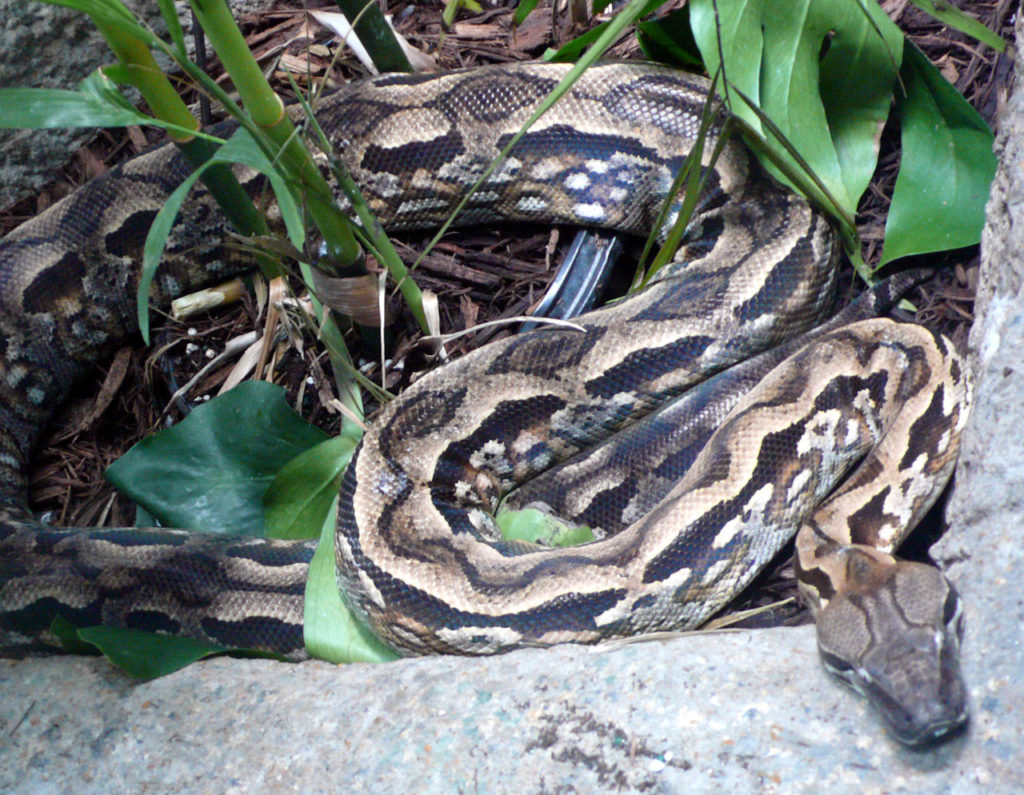
This species of boa, which is a reptile endemic to Madagascar, averages approximately eight feet in length. Adult females are slightly larger than males and can reach ten feet long. Believe it or not, but this is actually the largest species of snake found on the island!

malagasy ground boa
The Malagasy ground boa is the largest species of snake found on the island of Madagascar.

In the wild, the Malagasy ground boa eats mostly small mammals such as lemurs, bats, tenrecs, and other small rodents.

The IUCN lists this species as stable and of “least concern,” but they are commonly killed by locals for meat and snake skin products. They are also widely considered to be bad luck and are killed for their bad habit of preying upon domestic live stock chickens.

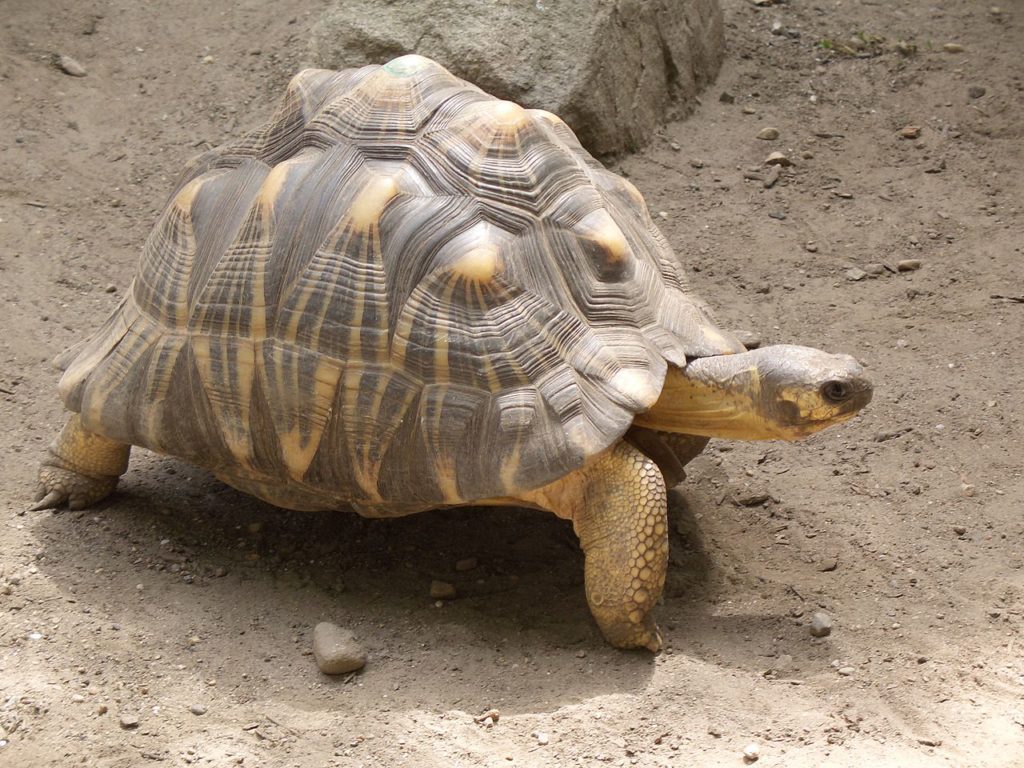
Radiated Tortoise (Astrochelys radiata

Occurring naturally in the southern portion of Madagascar, the radiated tortoise has spread to the rest of the island. It has also been reintroduced to the islands of Réunion and Mauritius.

Although it can be found throughout the entire island of Madagascar, the radiated tortoise is listed by the IUCN as critically endangered. As is the case with many endangered species, this is mainly due to loss of habitat, but poaching and harvesting for the pet trade has also played a large role in this species population decline.

radiated tortoise
This is a mature radiated tortoise. Notice its yellow and black coloration.

The radiated tortoise is so-named for its boldly colored carapace. Each shell plate is marked with striking yellow lines radiating from the black center.

Like many larger tortoise species, the radiated tortoise has a long life span. One particular tortoise named Tu’i Malila lived to be 188!

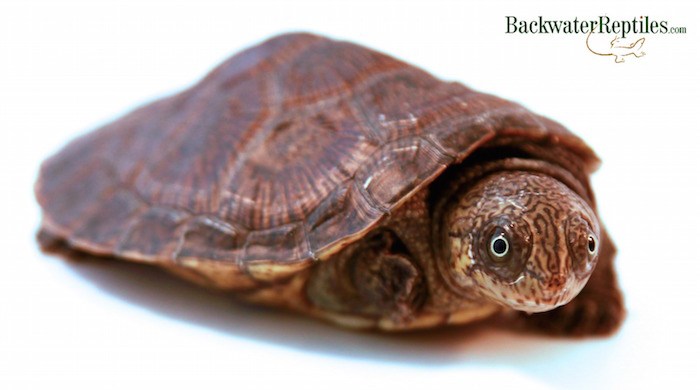
Madagascar Big-Headed Turtle (Erymnochelys madagascariensis)

The Madagascar big-headed turtle is listed on the IUCN as critically endangered and it has been said that this species is the thirteenth most endangered turtle species in the world.

Found in permanent, slow-moving bodies of water in the western region of the island, this species is named for – wait for it – its big head! Other than that, it has a fairly ordinary dark brown shell and “turtle-ish” appearance.

Although this species is critically endangered, it is still exported to Asia illegally for the medicine market. Other threats to this species’ population include getting trapped in fishing nets, being eaten for meat, and getting caught on fishing hooks.

malagasy big-head turtle
Pictured is a shy juvenile Madagascar big-head turtle that was captive bred within the U.S.

Even though it is illegal to import the Madagascar big-headed turtle to the U.S., there are some breeders that have captive bred animals for sale.

Want to learn more about the Madagascar big-headed turtle? We actually wrote an entire blog article about this unique species since we are fortunate to have purchased a captive bred baby from a U.S. breeder.

Satanic Leaf-Tailed Gecko (Uroplatus phantasticus)

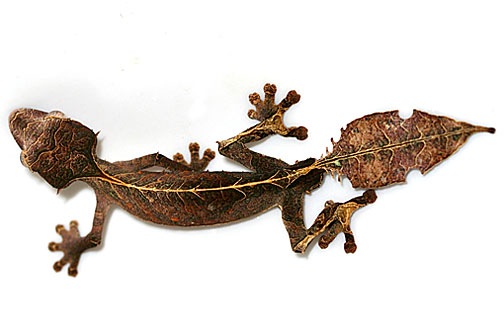
This fancy-looking lizard is known by several common names – the Baweng satanic leaf-tailed gecko, the eyelash leaf-tailed gecko, and the fantastic leaf-tailed gecko. All of these monikers suit this gecko well as its tail and flat body shape very closely resemble a dead leaf.

The Satanic leaf-tailed gecko is another reptile endemic to Madagascar, and nowhere else, so it is a truly endemic species. Its habitat of choice is the trees in the central and northern tropical forests of the island.

satanic leaf tailed gecko
As you can see, the Satanic leaf tailed gecko has a tail that appears very leaf-like!

While this species is listed as being of “least concern” according to the IUCN, it is probably the least common species of gecko available for sale as a pet within the Uroplatus family.

Satanic leaf-tailed geckos are nocturnal insectivores. If you are lucky enough to keep one as a pet, it should be fed crickets, moths, roaches, and other appropriately sized insects at meal time.

Antsingy Leaf Chameleon (Brookesia perarmata)

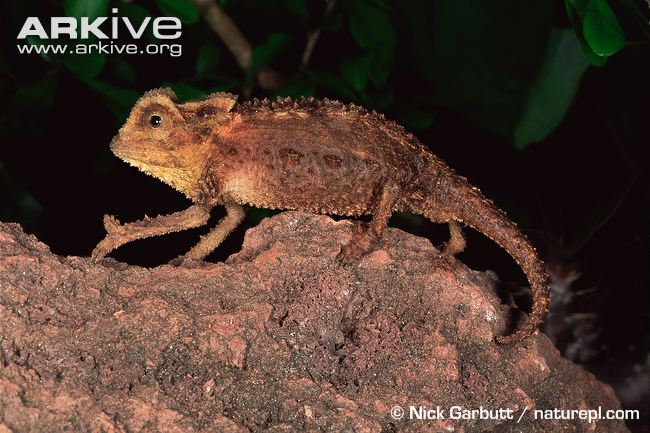
Unlike most of its chameleon cousins, the Antsingy leaf chameleon is a ground-dwelling species of dwarf chameleon with a limited ability to change color. It does not have a prehensile, gripping tail, but rather, a truncated stumpy tail with short spines running down it. It is also covered in scales that make it appear like it is wearing armor, hence its common name.

antsingy-leaf-chameleon
This species of dwarf chameleon looks like a miniature armored dragon!

The Antsingy leaf chameleon is listed as endangered by the IUCN largely due to its very specific habitat requirements. It is only found in the northern part of the Tsingy de Bemaraha National Park in the Melaky Region and makes its home in leaf litter of relatively untouched tropical deciduous forests.

Oustalet’s Chameleon (Furcifer oustaleti

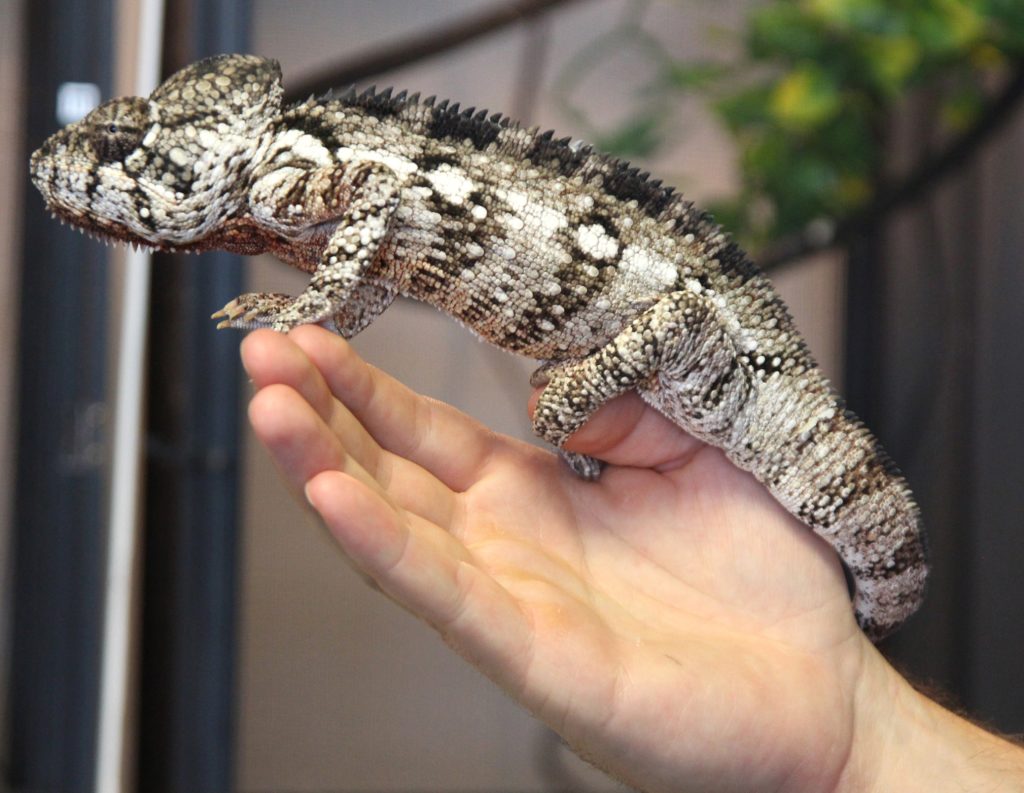
Listed as being of least concern on the IUCN list of endangered species, the Oustalet’s chameleon is not uncommon in the reptile pet world, although admittedly, wild caught specimens are far more common than captive bred ones.

Oustalet’s chameleons are another very large species of chameleon. In fact, they are also commonly referred to as the “Malagasy Giant Chameleon.” They can reach lengths of twenty-seven inches. It’s said that they even surpass the Parson’s chameleon in size, but in our personal experience with both species of chameleon, Oustalet’s are longer while Parson’s are stockier and weigh more.

oustalets chameleon
Pictured is a good-sized Oustalet’s chameleon.

Oustalet’s chameleons require lots of space when kept in captivity, so we tend to only recommend them to experienced herp lovers. In addition to having large appetites to suit their large stature, these chameleons will require a large, often custom built, mesh screen enclosure, which means they are not appropriate for first time chameleon owners.

If you are ready to tackle such a large species of chameleon as a pet, Backwater Reptiles does sell medium to large Oustalet’s chameleons at competitive pricing.

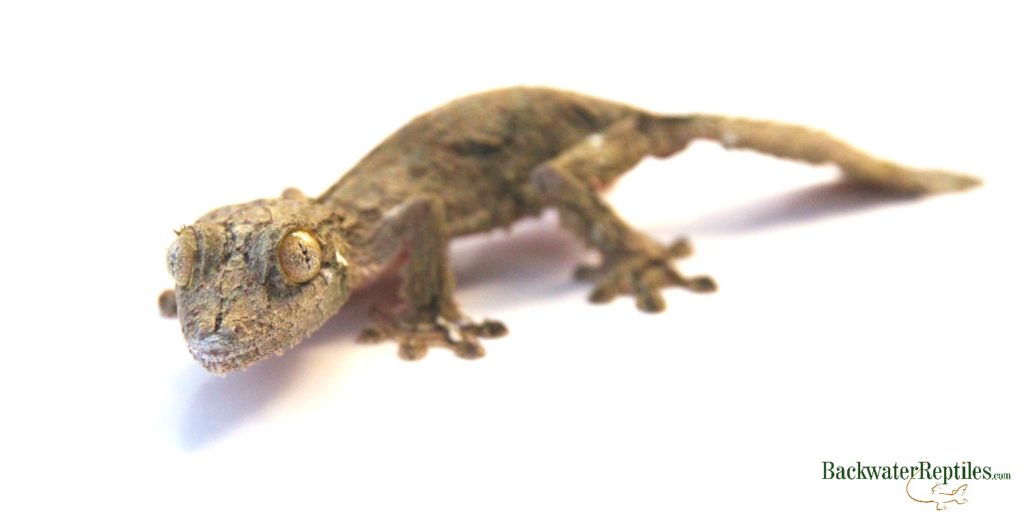
Mossy Leaf Tail Gecko (Uroplatus sikorae)

Listed as a species of least concern on the IUCN endangered species list, the mossy leaf tailed gecko is not uncommon in the reptile hobbyist world. Not only is this an odd-looking gecko, it is also a fairly docile species and popular with gecko specialists.

The mossy leaf tail gecko is an arboreal lizard with an appearance to help it camouflage into its environment. Because it is a nocturnal animal, it has large round eyes with vertical pupils and it can even alter its color to match its surroundings!

This neat gecko gets its common name because it has a special fringe of skin known as a dermal flap that runs the length of its body that helps make it appear flush with moss, lichen, and other plants that grow on the trees it calls home. What a great way to conceal itself!

mossy leaftail gecko
Mossy leaf tail geckos have a special fringe of skin that allows them to camouflage seamlessly against trees.

When keeping a mossy leaf tail gecko in captivity, you should provide a cage that has more vertical space over horizontal space. These geckos are arboreal climbers and they need lots of hanging plants and branches to hide in during the day.

Because mossy leaf tail geckos are insectivores, you should feed them a varied diet of crickets, roaches, reptiworms, and other appropriately sized invertebrates.

They should have their enclosure misted regularly. We recommend once or twice a day along with providing a water bowl or small fountain.

If you want a gecko that can disappear before your eyes (their camouflage is that good!), then we recommend a mossy leaf tail.

Panther Chameleon (Furcifer pardalis)

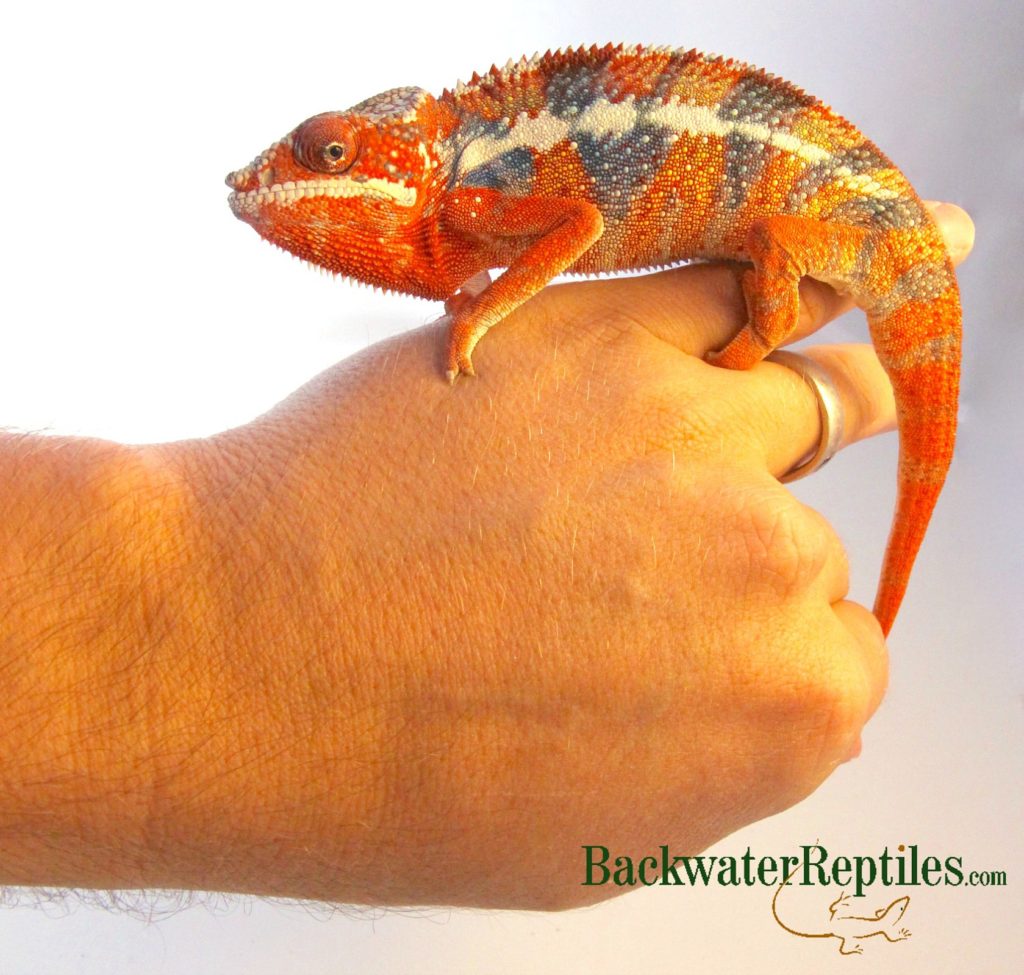
Panther chameleons are very popular with reptile enthusiasts and reptile amateurs alike due to their dazzling and eye-catching color spectrum. It’s very common for Panthers to be various shades of red, pink, blue, green, with white accents depending on the animal.

Did you know that the color of a Panther chameleon can change with environment, but that species from specific regions of Madagascar tend to have certain color schemes? Panthers from Nosy Be and Ambanja tend to be blue while those from the Ambilobe and Sambava regions are usually red, green, or orange.

red panther chameleon
While Panther chameleons can be a variety of colors, this one exhibits tones of red.

Panther chameleons are very commonly bred in captivity and are one of the hardier species of chameleon that you can keep as a pet. They do still require a mesh cage, specific humidity levels, and UV lighting though.

If you are interested in owning a pet panther chameleon of your own, Backwater Reptiles sells Ambanja, Ambilobe, Nosy Be, and Sambava “varieties.”

Conclusion – Reptiles Endemic to Madagascar

Madagascar is a very unique island filled with reptiles that can only be found on that specific island within an even more specific type of habitat. We will never cease to be fascinated by these creatures and we hope to see some of them in their natural habitat some day!

While some of the species endemic to Madagascar that are found on this list can be purchased as pets, not all of them can and that’s largely due to habitat destruction. That’s why Backwater Reptiles plants a tree in Madagascar for every order placed on our website.

This list of reptiles endemic to Madagascar is by no means all inclusive. It’s just a representation of our favorites. What are your favorites? What species would you add to our list?