Best Pet Reptiles for Beginners

Many people ask us what the best pet reptiles are for beginners and we generally recommend animals that are simple to care for, non-aggressive, and visually appealing. Lizards, snakes, turtles, and tortoises can make very rewarding pets, even though they’re not furry or cuddly like a typical cat or dog. They’re also surprisingly intelligent.

So if you’re considering a pet reptile of your own, but you’re unsure what species would be best for you, read on to find out our top five best pet reptiles for beginners.

The Best Pet Reptiles for Beginners

Leopard Gecko (Eublepharis macularius)

Leopard geckos make some of the best pet reptiles in the world. They’re adorable, desert-dwelling lizards that grow to a very manageable size. They will reach around 7-10 inches in length and can live over twenty years! Usually, females will live an average of ten years, while males will live considerably longer.

Leopard geckos are visually stunning little critters that are bred in a variety of color morphs. You can find leopard geckos that are bright orange, pure white, and even black and white speckled!

The patterns and colors in the many morphs can be stunning and leopard gecko parents have many options when it comes to the physical appearance of their gecko.

The best pet reptiles for beginners
Leopard geckos are absolutely some of the best pet reptiles for beginners. The above leopard gecko morph is called a “Super Snow.” They’re black and white and highly sought after.

Leopard geckos also have very simple care requirements. They don’t need a lot of space to be happy – just a few places to hide or burrow. You can use substrate as simple as paper towels in their cage, or you can decorate elaborately and even buy neat colored sand from pet stores.

Feel free to check out our step by step guide on setting up leopard gecko habitats if you are so inclined. They also do extraordinarily well in captivity, being very undemanding, tough pet reptiles. Almost every Leopard gecko available on the market is captive bred, which is a nice bonus.

Crickets, mealworms, and reptiworms are all good food for leopard geckos. They have strong appetites, but are not necessarily gluttons. You should allow them to eat as many insects as they can in a fifteen minute sitting and then remove the excess from their cage.

Looking for a fun breeding project? If so, you couldn’t choose a better lizard. Leopard geckos are avid breeders and it takes no effort at all–just keep a male with a female and she’ll start laying eggs.

They often have very amiable personalities, and aggression is almost unheard of for pet Leopard geckos. Definitely on the short-list of the best pet reptiles for beginners. We’ve got many morphs available for you to choose from on our Leopard gecko page.

Bearded Dragon (Pogona vitticeps)

Bearded dragons are another lizard species that are available in a variety of gorgeous color morphs. Keep in mind that the more uncommon or rare the morph of the bearded dragon is, the more expensive it will be. Morphs of the lizard strictly reflect the color or the animal and not its temperament, health, or care requirements.

Normal Morph Bearded Dragon
This is a “normal” bearded dragon, meaning that it has not been bred to express any special color variety.

Beardies can get quite large, sometimes up to 24-inches, but 18-20 inches is much more common. This means they reach a solid, but extremely manageable size.

They’re usually little piggies when it comes to meal time. Most will eat whenever they’re offered food, even if they’re not hungry, so just be sure to watch your beardie’s diet as you don’t want it to get obese.

Probably the best feature about bearded dragons is their docile nature. Beardies are quite happy to be taken out of their cage and played with regularly. They seem to seek out interaction and very rarely bite (we’ve never been bitten by one). Lots of people will even walk around their house with their beardie on their shoulder like a parrot!

Bearded dragons can also make great breeding projects, as they’re prolific breeders and do extremely well in captivity.

Bearded dragons are originally from Australia, home to some of the coolest reptiles in the world. However, exportation of live reptiles is now illegal, so you can rest assured your U.S. Bearded dragon is captive bred. Check out our Bearded dragon page to see our selection.

Corn Snake (Elaphe g. guttata)

No conversation about the best pet reptiles for beginners would be complete without talking about Corn snakes. If you’ve never had a pet snake before, we highly recommend a corn snake. Like the lizard species mentioned above, corn snakes are available in many different color morphs.

Not only are they relatively inexpensive, they usually possess pretty docile temperaments and are nearly always captive bred. They will attain a manageable size (usually around 5 feet long) and live for approximately ten years.
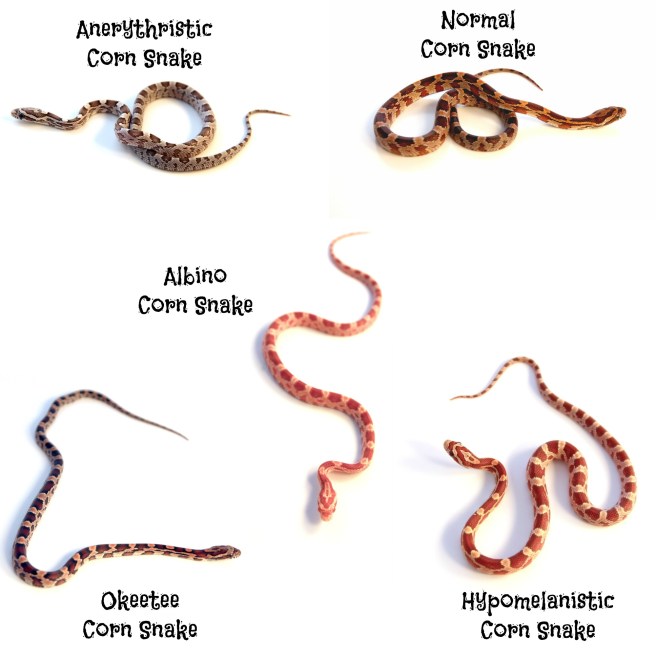
corn snake morphs
This is a collage demonstrating a few of the corn snake morphs.

Like most pet snakes, you will need to feed your corn snake mice. You can choose to feed your snake thawed or living specimens, but we prefer frozen (then thawed) for the convenience and safety of the snake.

Aside from eating mice, corn snakes will thrive in a twenty gallon tank with minimal furnishings. They really only need a heat lamp and belly heat source, water dish, hide space, and substrate that allows for burrowing.

We’ve got quite a variety of Corn snake morphs for you to choose from on our website.

Sulcata Tortoise (Geochelone sulcata)

In general, tortoises are popular pet reptiles because they can be kept outside in places where the weather permits. This is appealing to many pet owners because the tortoise’s natural habitat can be replicated very closely and no real cage or terrarium is required.

Just keep in mind that because baby tortoises are more delicate, they should be kept indoors until reaching a reasonable size. Their shells aren’t as hardened and thick as their larger counterparts, meaning they can dehydrate a bit quicker and can’t thermoregulate as easily.

baby sulcata tortoise
This is a baby Sulcata tortoise. They start out about the size of a golf ball and will grow to weigh around 200 pounds!

Sulcatas are pretty easy to come by in the pet trade, and many people are attracted to them because of their vegetarian nature. There is no need to keep live insects on hand as Sulcatas eat leafy greens, grasses, and other veggies.

They grow quickly, and a baby should attain a shell-length of around 3-4 inches after one year. They reach breeding size at around 12-inches.

Tortoises also live for a very long time. In fact, Sulcata tortoises can live for 150+ years! Yes, you read that correctly. We’ve got these captive bred beauties available on our website today.

Box Turtles (Terrapene sp.)

Like tortoises, Box turtles will thrive in an indoor terrarium or an outdoor environment with the proper weather conditions. If you have your box turtles outdoors, we do recommend some sort of pen be built to house them in as they do enjoy roaming and if you’re not careful, they could roam right out of your yard! They also enjoy digging and are very good at it.

Box turtles are omnivores and will eat pretty much anything you provide them. When kept outdoors, they will graze on your yard grasses and plants, but they will also consume crickets and other invertebrates. Baby Box turtles tend to be a bit more carnivorous, while the adults are more omnivorous.

We highly recommend Box turtles for first time reptile owners because they are such low maintenance reptile pets. They don’t bite, they don’t need constant attention or care, and they can pretty much take care of themselves. If you keep pairs, you might even get baby box turtles without even realizing your animals have bred! We’ve received many sets of eggs from our’s.

Check out our selection of pet turtles today.
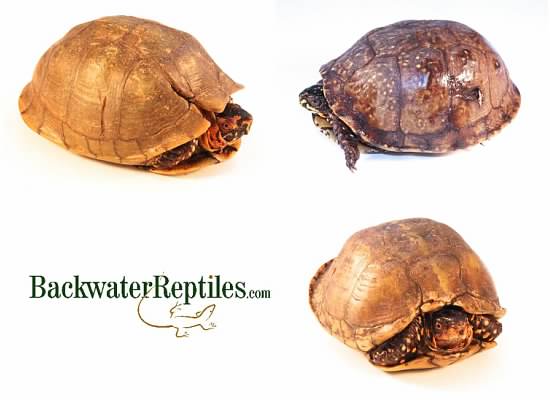
three toed box turtles
These are “B-grade” box turtles which have cosmetic blemishes but are otherwise perfectly healthy animals. We think they deserve good homes just as much as their unblemished brethren.

The Best Pet Reptiles for Beginners – Conclusion

There are so many great pet reptiles on the market today that picking a good one for a beginner can be a challenge, which is why we put together this helpful article.

We feel that the five animals listed above are all amazing first time herp owner options whether you’re in the market for a lizard, snake, tortoise, or turtle. These species have an established track record of being easy to keep and long-lived, with great personalities.

We have all of these reptiles available for sale on our website.

Do Cuban Tree Frogs Make Good Pets?

Are you considering a pet frog but you’re unsure what species to go with? Do you want a large, hardy, and entertaining species? If you answered yes to these questions, we think a Cuban tree frog would make a great pet for you.

In this article, we’ll lay out the care guidelines for Cuban tree frogs as well as go into more detail on why we think these frogs are great for herp enthusiasts of all ages and levels of experience.

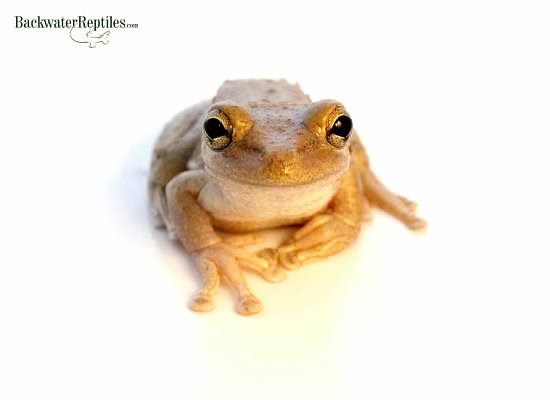
cuban tree frogs are good pets
We think Cuban tree frogs make great pets for herp hobbyists of all levels of experience.

Cuban tree frogs as pets

Originally, Cuban tree frogs come from Cuba, but nowadays, they are commonplace in states like Florida. Because they adapt so well, eat ravenously, grow to quite large sizes, and are so prevalent, they have come to be seen by many as an invasive species. These traits that make Cuban tree frogs so successful in the wild are also what make them very well suited to captivity.

Cuban Tree Frogs are actually the largest species of tree frog living in North America. Females can grow to be nearly six inches in length, while males will stay a bit smaller. Although they are long frogs, they stay quite slender with powerful hind legs designed for long jumps.

In general, Cuban tree frogs are a light brown, beige, or grey color, but can also be a darker brown or whitish color. They also possess the capability to slightly alter their color depending on their surroundings and temperament.

If you keep a Cuban tree frog for a pet, be prepared to feed it…lots. They have immense appetites and seem to prefer crickets in captivity. In addition to crickets, roaches, night crawlers, hornworms, and reptiworms make great treats and supplements. Fully matured, adult frogs have also been known to eat pinkie mice on occasion. We advise feeding pinkies in moderation because if consumed in excess or too frequently, your frog will become overweight. But the bottom line is – you will definitely enjoy watching your Cuban tree frog pig out at mealtime.

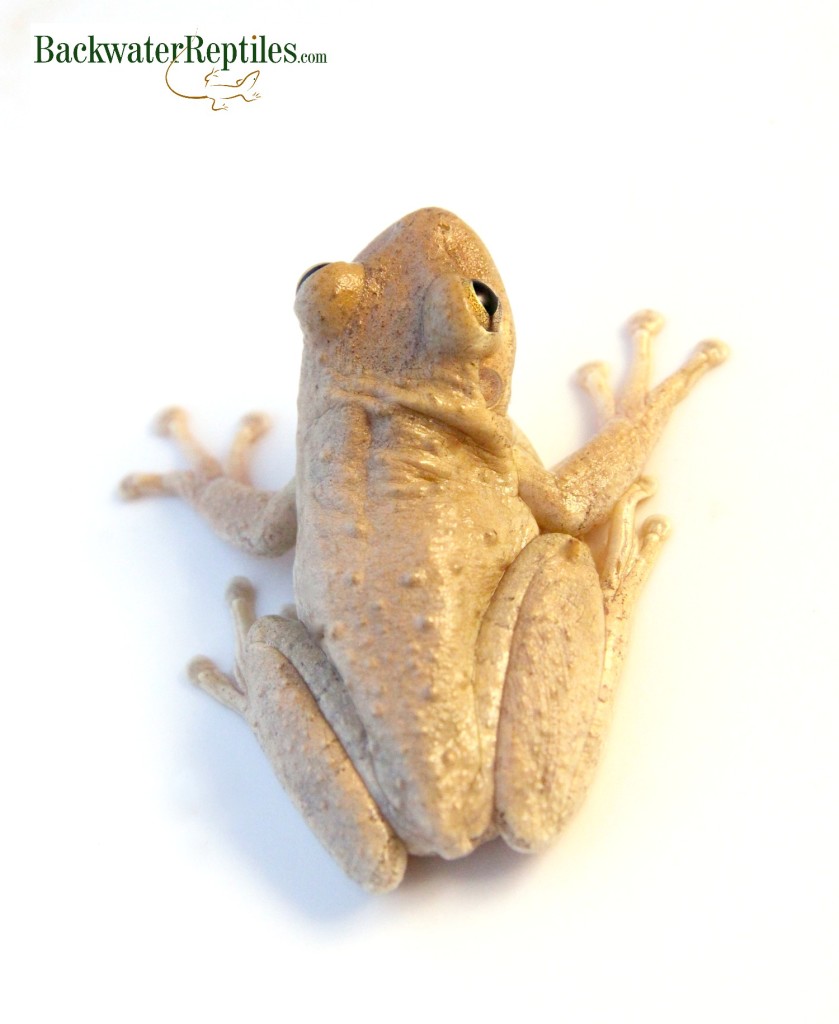
cuban tree frog
This photo shows that although Cuban tree frogs are large, they are still very slender of frame with long, powerful hind legs.

A single Cuban tree frog will thrive in a 15 or 20 gallon tank with plenty of foliage to climb on and hide in. You can keep males and females together, but make sure the frogs are of comparable size to one another. Larger Cuban tree frogs have been reported to eat smaller ones, so you don’t want them to cannibalize each other.

Good substrates for Cuban tree frogs are peat moss, potting soil, and coconut fiber. These all hold moisture well, but won’t necessarily become soggy. In addition to the plants (both real and fake are acceptable), you should provide a hide space such as a log or a coconut half that stays on the ground in the cage. While Cuban tree frogs are mostly arboreal, they do at times come down to the ground of their enclosure.

A water dish that is large enough for your frog to comfortably submerge itself should also be provided on the bottom of the cage. You can also put a small rock or platform inside the water dish so that it’s easier for the frog to get in and out of the water pool. Make sure that the water stays fresh because stagnant water can make your frog ill.

If you decide to keep a male with a female or two, expect to hear loud, barking noises during the mating season at night time. Cuban tree frogs are known for their noisy mating calls which have been described as sounding like small dog barks. If successful mating occurs, the female will deposit her eggs in the water dish.

Osteopilus septentrionalis
Cuban tree frogs have quite impressive appetites.

Conclusion

If you want a large frog with lots of personality and heart, we recommend getting a pet Cuban tree frog. Not only are these frogs large, but they are pretty easy to keep and will provide lots of entertainment at feeding time.

If you think you are ready to welcome a Cuban tree frog into your home, you can buy one (or a pair!) from Backwater Reptiles.

How to Care for Your Flying Dragon (Draco volans)

In this article we’re going to explain to you information on Flying dragon care and setup as a reptile pet. They’re definitely one of the most fascinating creatures on the planet, and definitely a favorite with our customers!

The Flying dragon (Draco volans) is a species of agamid lizard that is also known as the Flying Lizard and the Flying Draco. These lizards are brown to dark brown in color with some darker overlay patterns. Males have a yellow-ish dewlap and females tend to have a blue dewlap. They will grow to be about eight inches long.

They are unique and interesting pet lizards because they have “wings” that allow them to glide from tree to tree in the wild. These wings are not true wings, but rather a ribbed membrane attached to the side of the dragon’s body that spread out like a fan.

Flying dragon care
When a flying dragon spreads its membranous “wings,” the colors that show through are quite spectacular. We detail their care in this blog post.

The Flying Dragon is not a pet lizard you commonly see. Although these lizards are not extremely difficult to care for, they aren’t that easy to come by. We do not recommend these lizards be kept by beginners, although herpers with some experience (and space to house them) will find them to be rewarding pets.

Flying dragons come from the Philippines, western Malaysia and also widely across the Indo-Pacific islands. They prefer to live in forested areas with lots of trees and foliage and rarely descend to the ground.

When their wings are extended, bright colors are displayed, which makes it easier to determine the dragon’s gender. When the wings are not in use, the dragon keeps them folded closely against its body, giving the lizard a long, slender appearance.

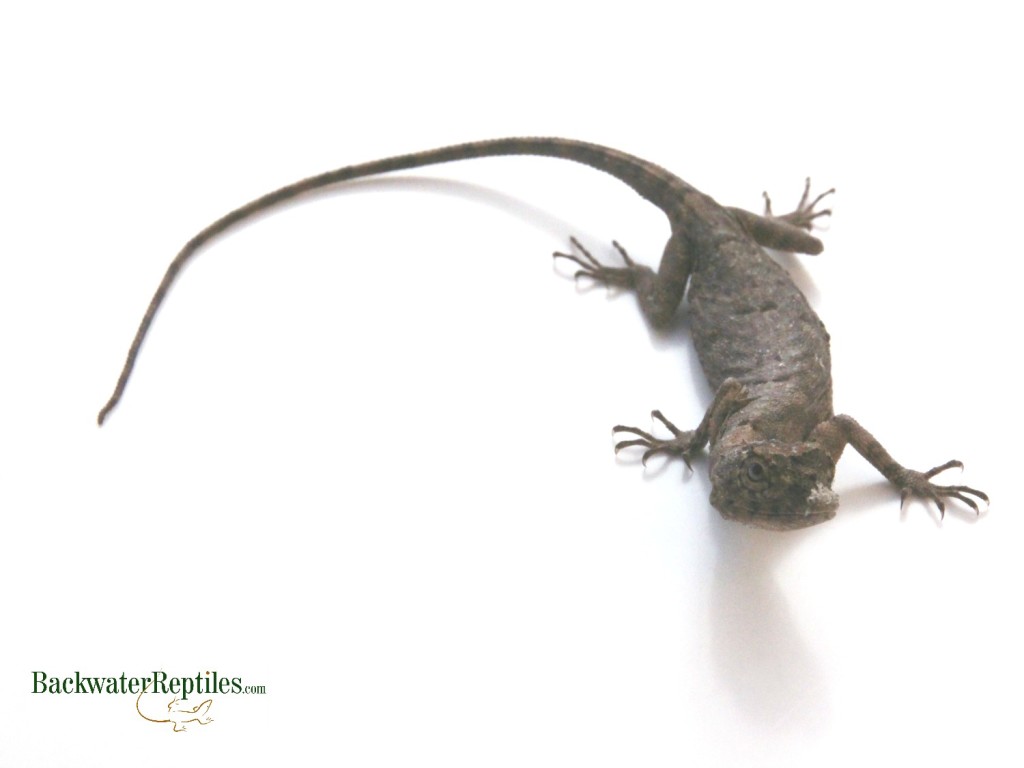
Flying Dragon
Here you can see a flying dragon with its wings relaxed. These are long, skinny lizards when they aren’t gliding.

In the wild, flying dragons will eat mostly termites and ants, but in captivity, they can be taught to eat crickets, mealworms, and flies as a staple diet. It’s always wise to offer a bit of variety in order to make sure your dragon gets all the nutrients and vitamins it needs.

Flying dragons should always have access to a water dish. We also recommend misting their enclosure regularly as they do come from moist and tropical environments.

If you want to see your dragon fly, you must provide it with enough space. Due to their arboreal nature, you should provide an enclosure that is tall as well as wide. There will need to be plenty of sturdy plant life and foliage inside the enclosure with enough space between them to allow the dragon room to stretch its wings.

It is generally acceptable to house two or three females together, or even one male with several females. This will encourage the male to perform territory and mating rituals which can be entertaining to watch. When the male encounters a female, he will extend his wings and dewlap and try to make himself look larger. He will also bob his head to display his dominance.

We do not advise keeping multiple males in one enclosure as it will cause them undue stress. They might even injure one another.

In general, flying dragons are somewhat secretive. Although they’re not aggressive, they usually don’t enjoy being handled and will do much better if left to their own devices in their enclosures.

As previously mentioned, flying dragons are arboreal and don’t descend to the ground often. The only behavior that has been observed where they go to the ground by choice is when a gravid female lays her eggs.

The female will dig a hole with her snout and proceed to lay a clutch of approximately five eggs. After the eggs have been deposited in the ground, the female will cover them and remain with them for a day or so. The eggs will hatch in about a month’s time.

draco volans care
Flying dragons use their wings to glide from tree to tree and in territorial displays. They look like they’re part lizard, part butterfly, don’t they?

Conclusion

While flying dragons make impressive and fascinating pets, they are not for everyone or for beginners.

Due to their arboreal nature, they need an enclosure that is built like with an arboreal style so they have room to glide and hide. This means a wide and tall cage will be needed.

In addition, flying dragons can be secretive and are not great pets for someone who would like to handle their reptile often.

If you are ready to care for your own flying dragon, Backwater Reptiles does have these beautiful and unique gliding lizards for sale.